
7 Essential What Are The Most Effective Strategies To Increase Google Ads Conversions? For Maximizing ROI
Discover what are the most effective strategies to increase Google Ads conversions? that can help you optimize your ad campaigns and drive better results.


1. Unlocking The Power Of Audience Insights To Boost Conversions
The Challenge It Solves: Knowing your audience is essential for effective advertising. Without a clear understanding of who your potential customers are, your ads may miss the mark, leading to wasted spend and low conversion rates. Many businesses struggle to accurately identify their target demographics, which can result in generic ads that don't resonate.
The Strategy Explained: Leveraging audience data can transform ad performance beyond traditional targeting methods. By utilizing tools like Google Analytics and social media insights, you can identify key demographics such as age, gender, and location. This information allows you to tailor your advertising efforts to meet the specific needs of your audience.
Implementation Steps:
1. Use Google Analytics to gather demographic data about your website visitors.
2. Analyze insights from social media platforms to understand your audience's interests and behaviors.
3. Segment your audience based on this data to create more targeted ad campaigns.
Real-World Application: Many companies find that their customer base is different than expected; for instance, a retail brand discovered that their primary demographic was significantly younger than anticipated. This insight allowed them to adjust their marketing strategy to better align with the preferences of this group.
Pro Tips & Mistakes To Avoid: Regularly update your audience insights to avoid misalignment between your ads and the actual customer profiles. Use demographic data to refine your audience targeting and ensure your ads are reaching the right people.
Google Analytics is a powerful tool for gathering demographic data about your website visitors.
2. Crafting Irresistible Ad Copy That Converts
The Challenge It Solves: Many marketers underestimate the effectiveness of ad copy; precise wording can make a significant difference in click-through rates. If your ad copy is bland or unclear, it can lead to missed opportunities for conversions.
The Strategy Explained: The quality of your ad copy directly impacts its performance. By creating compelling headlines and integrating keywords naturally, you can enhance ad visibility and engagement. Strong copy encourages users to click and ultimately convert.
Implementation Steps:
1. Invest time in crafting powerful headlines that grab attention.
2. Use emotional triggers and strong verbs in your ad copy.
3. Integrate relevant keywords without resorting to keyword stuffing.
Real-World Application: A tech company that revamped its ad copy saw a marked improvement in click-through rates after incorporating more dynamic language and clear calls to action. Their ads became more engaging, leading to higher engagement and conversion rates.
Pro Tips & Mistakes To Avoid: Don’t skimp on testing different variations of your ad copy. A/B testing can reveal which headlines and phrases resonate best with your audience, allowing you to refine your approach over time.
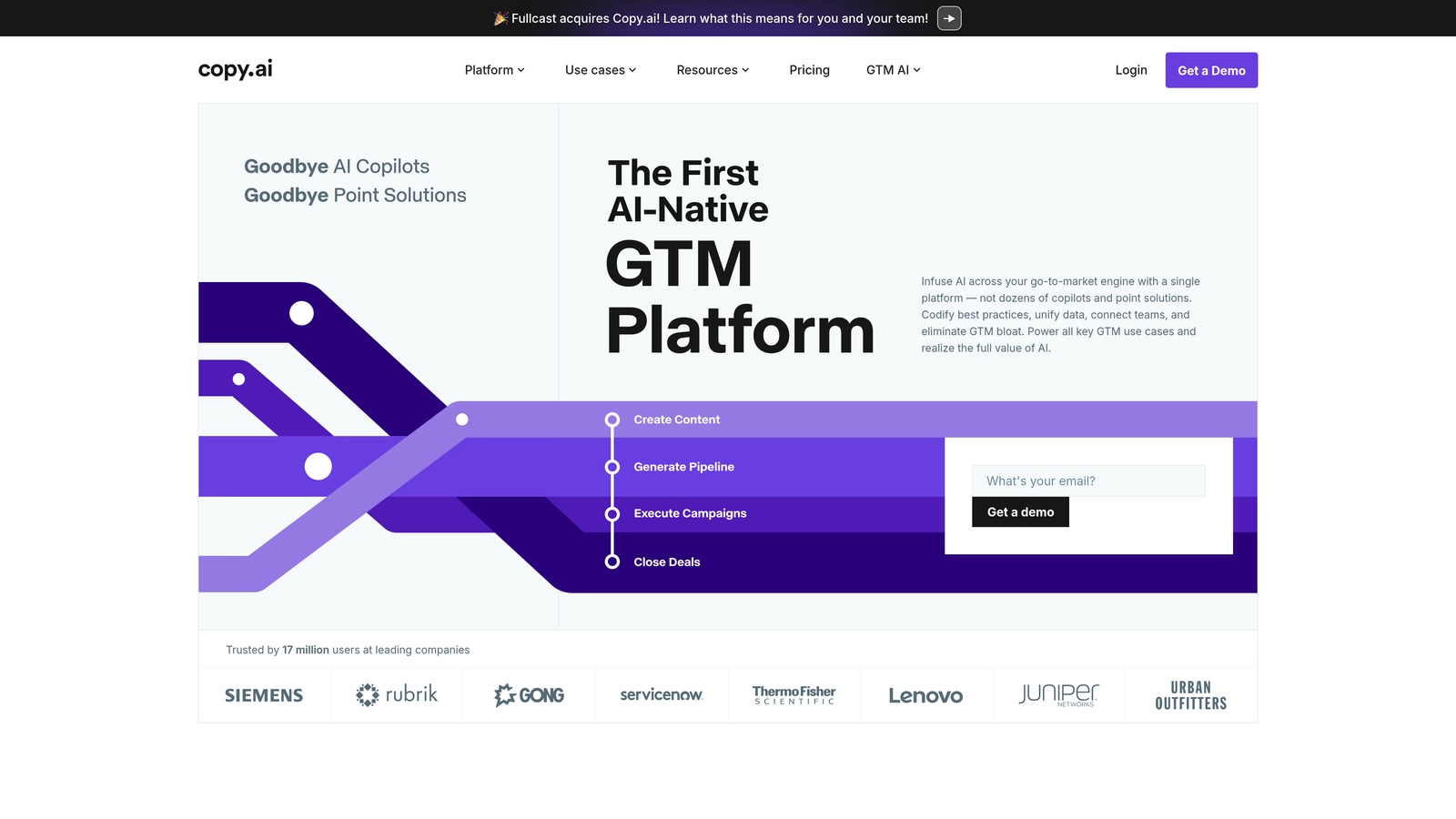
Copy.ai is an excellent tool for generating compelling ad copy quickly and efficiently.
3. Mastering Negative Keywords To Refine Your Targeting
The Challenge It Solves: Many advertisers overlook negative keywords, which can enhance targeting precision and reduce wasted ad spend. Without a clear understanding of which terms to exclude, your ads may be shown to irrelevant audiences.
The Strategy Explained: Using negative keywords is crucial for refining ad targeting. By filtering out terms that don’t align with your business, you can ensure your ads reach a more qualified audience, ultimately leading to higher ROI.
Implementation Steps:
1. Use tools like Google Ads Keyword Planner to identify negative keywords that trigger your ads but do not convert.
2. Create a list of negative keywords and update it regularly based on performance data.
3. Monitor the effectiveness of your negative keyword list to minimize wasted ad spend.
Real-World Application: Advertisers who regularly update their negative keyword lists often see improved ROI. For example, a travel agency that identified and excluded irrelevant terms related to budget travel successfully reduced their ad spend while increasing conversions.
Pro Tips & Mistakes To Avoid: Don’t set your negative keywords and forget them. Regularly analyze which search queries are triggering your ads and adjust your list accordingly to ensure ongoing relevance.
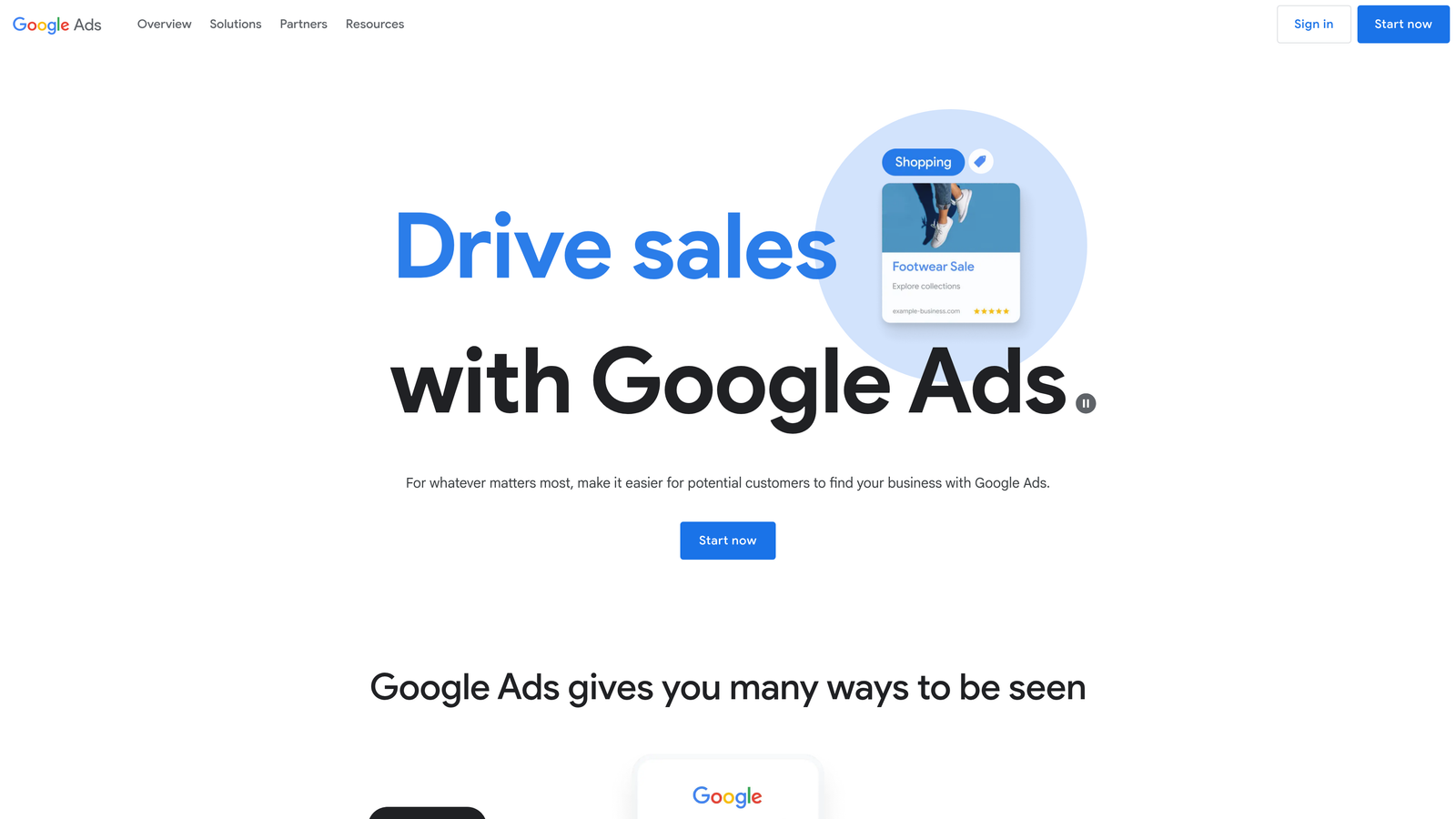
Google Ads is a vital tool for managing negative keywords and refining your ad targeting.
4. Harnessing A/B Testing For Data-Driven Decisions
The Challenge It Solves: Many advertisers fail to utilize A/B testing, missing out on the valuable data that can inform better advertising strategies. Without testing, you may not know which elements of your ads are effective.
The Strategy Explained: A/B testing allows you to compare different versions of ads to determine which performs better. By systematically testing various elements like headlines, images, and calls to action, you can refine your approach based on real data.
Implementation Steps:
1. Identify key elements to test in your ads, such as different headlines or images.
2. Develop a clear hypothesis for each test to guide your analysis.
3. Analyze the results to identify winning variations and implement them in your campaigns.
Real-World Application: A retail brand that conducted A/B testing on their holiday ads discovered that a minor tweak in their headline resulted in a notable increase in CTR, validating the importance of testing even small changes.
Pro Tips & Mistakes To Avoid: Ensure that you test only one variable at a time to accurately measure its impact. Additionally, don’t forget to analyze results from A/B tests to inform your future advertising strategies.
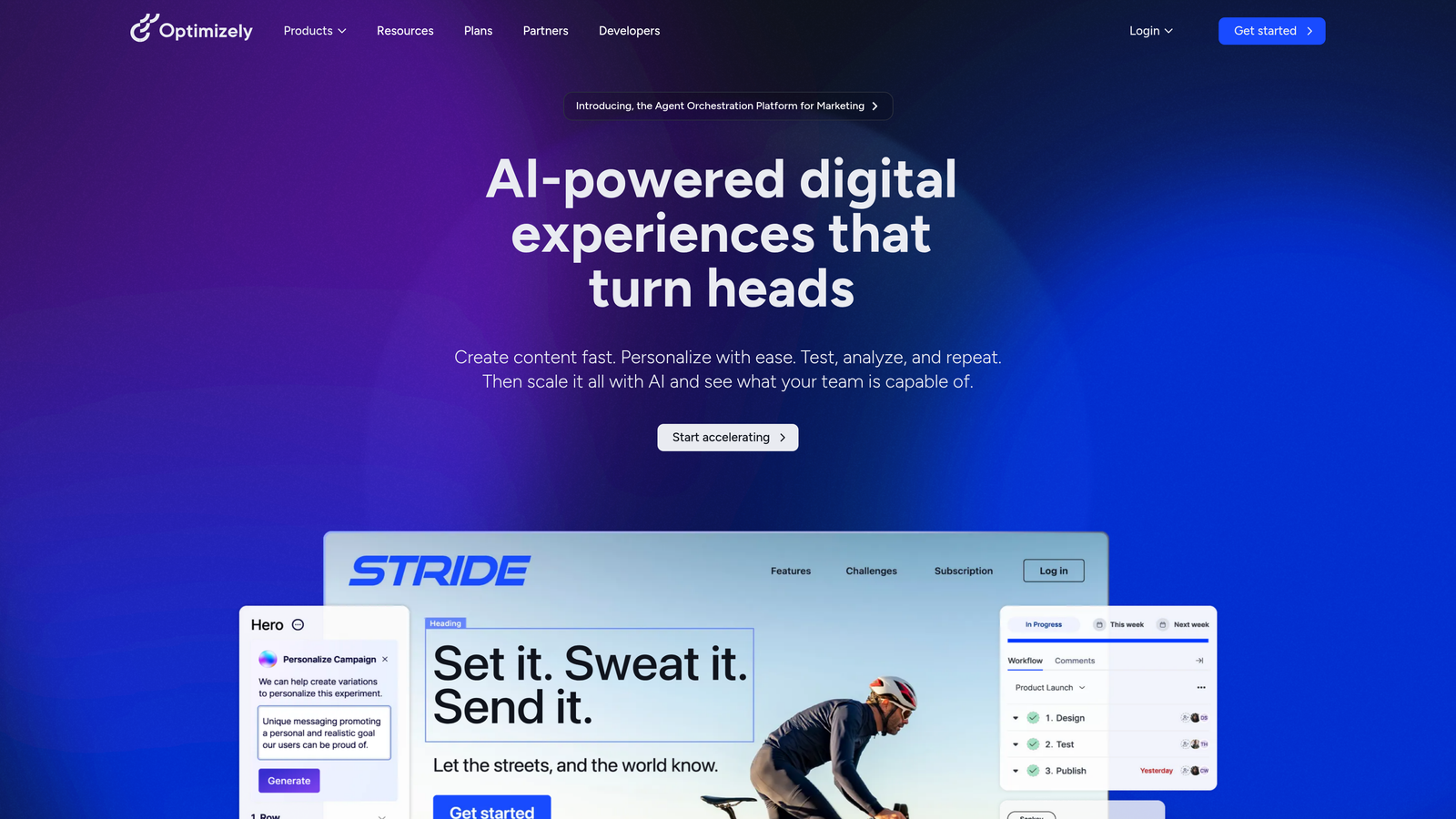
Optimizely is a popular tool for conducting A/B tests on your ad campaigns.
5. Enhancing Landing Page Experience For Higher Conversions
The Challenge It Solves: A seamless landing page experience is critical for converting ad traffic into leads. If your landing page fails to engage visitors, your hard-earned clicks can result in high bounce rates and lost opportunities.
The Strategy Explained: Improving landing page design and content is essential for boosting conversions. Key elements include clear messaging, easy navigation, and strong calls to action that align with your ad copy.
Implementation Steps:
1. Ensure that your landing page content is consistent with your ad messaging.
2. Optimize for user experience by making navigation intuitive and straightforward.
3. Include clear and compelling calls to action that guide users toward conversion.
Real-World Application: Companies that focus on landing page design often see a decrease in bounce rates. For example, a SaaS company that revamped its landing pages reported a significant uptick in lead conversions after aligning their messaging with their ad campaigns.
Pro Tips & Mistakes To Avoid: Regularly test different landing page designs and content elements to see what resonates best with your audience. A/B testing can help you fine-tune the landing page experience for maximum effectiveness.
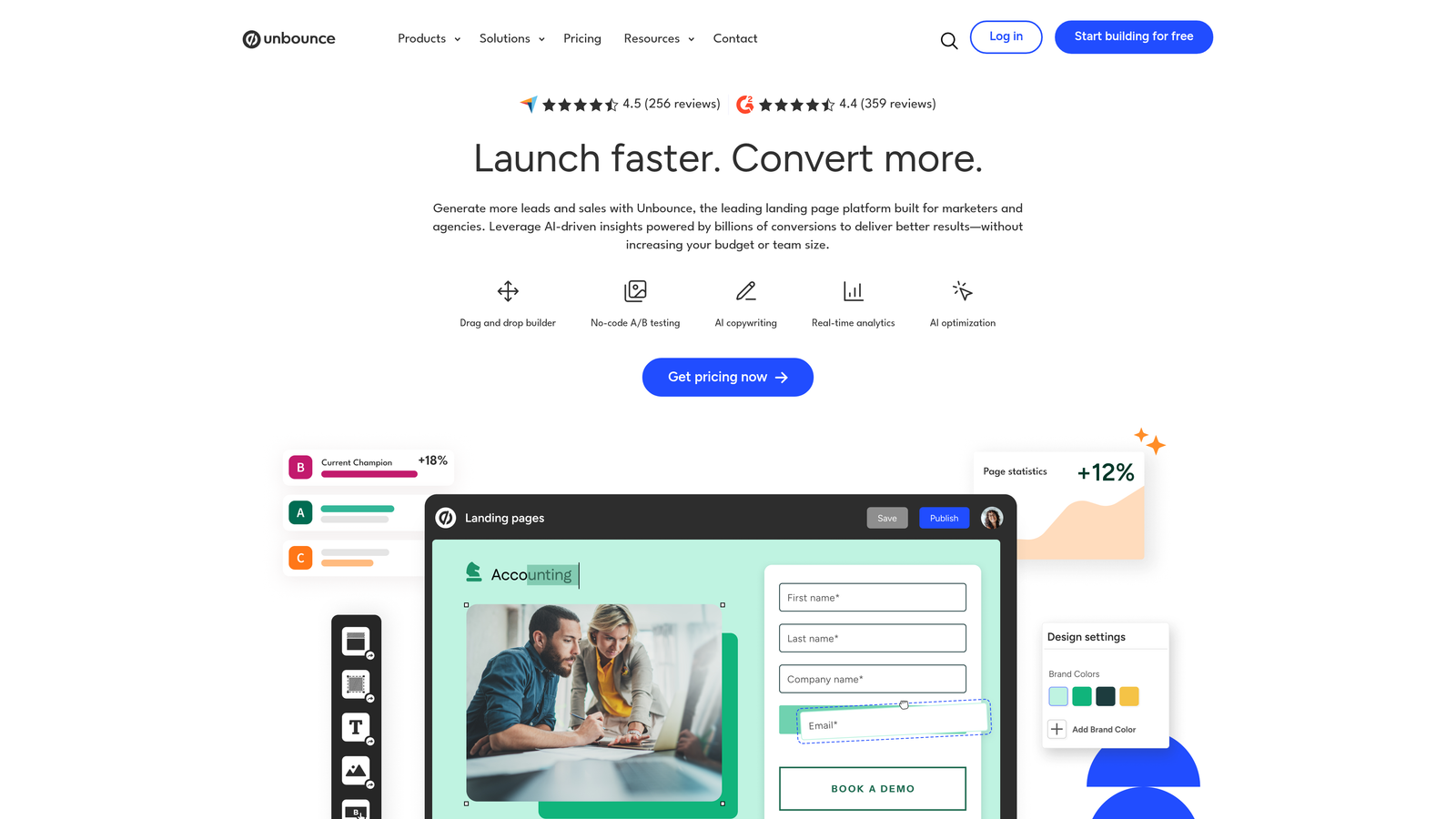
Unbounce is a great tool for creating optimized landing pages that convert.
6. Re-engaging Visitors With Remarketing Strategies
The Challenge It Solves: Many potential customers leave your site without converting. Remarketing allows you to recapture these visitors and improve conversion rates by keeping your brand top-of-mind.
The Strategy Explained: Utilizing remarketing strategies helps to re-engage users who have previously interacted with your site. By showing tailored ads that remind them of their interest, you can encourage them to return and complete their purchase.
Implementation Steps:
1. Set up remarketing campaigns targeting users who have visited your site but did not convert.
2. Create tailored ads that highlight the products or services they viewed.
3. Monitor and adjust your remarketing efforts based on performance metrics.
Real-World Application: Companies that effectively implement remarketing often see a significant increase in conversion rates. For instance, an e-commerce site that launched a remarketing campaign targeting cart abandoners reported a 30% increase in conversions within weeks.
Pro Tips & Mistakes To Avoid: Segment your remarketing audience based on their previous interactions with your site. This allows for more personalized and effective ads that resonate better with each group.
Google Ads is essential for setting up remarketing campaigns effectively.
7. The Importance Of Regular Monitoring And Adjustments
The Challenge It Solves: Continuous analysis of your campaigns is crucial for sustained success. Many advertisers fail to regularly monitor their ads, leading to missed opportunities for optimization.
The Strategy Explained: Regularly monitoring key metrics allows you to make data-driven adjustments to your campaigns. By focusing on performance indicators like cost-per-click (CPC) and conversion rates, you can ensure ongoing improvement.
Implementation Steps:
1. Establish a routine for tracking key performance indicators (KPIs) relevant to your campaigns.
2. Use Google Ads tools to gain insights into campaign performance.
3. Adjust your strategies based on the data collected to optimize for better results.
Real-World Application: Advertisers who monitor metrics closely can quickly identify underperforming ads. For example, a digital marketing agency that regularly analyzed performance metrics was able to pivot their strategy based on real-time data, leading to improved campaign outcomes.
Pro Tips & Mistakes To Avoid: Don’t neglect to review your metrics regularly. Set up alerts for significant changes in performance to stay proactive in your advertising efforts.
Google Ads provides comprehensive tools for monitoring your campaign performance and making necessary adjustments.
Making the Right Choice
Choosing the right what are the most effective strategies to increase Google Ads conversions? can significantly impact your success. Each option we've covered offers unique strengths tailored to different needs.
Consider your specific requirements, budget, and goals when making your selection. Many of these solutions offer free trials or demos, allowing you to test their capabilities before committing.
Remember, the best choice is the one that aligns with your unique situation and objectives. Take time to evaluate your options and don't hesitate to start with a smaller commitment to test the waters.
Ready to take the next step? Start exploring these solutions today and transform your approach. The right tool or strategy can make all the difference in achieving your goals.
.svg)