
Top 8 What Are Common Negative Keywords Every Campaign Should Have? To Boost Your ROI
Discover what are common negative keywords every campaign should have? to enhance your ad targeting and improve conversion rates.


Imagine pouring money into your advertising campaigns only to see minimal returns. Many marketers face this dilemma when their ads attract irrelevant clicks, leading to wasted budgets and frustratingly low conversion rates. This scenario highlights the critical role of negative keywords in optimizing PPC campaigns. By filtering out unwanted traffic, advertisers can enhance their targeting and significantly improve campaign performance. Below, we've compiled a list of common negative keywords that can help you streamline your campaigns and achieve better results.
1. Brand Name Keywords
Best for: Advertisers looking to avoid spending on unqualified traffic from competitor brand searches.
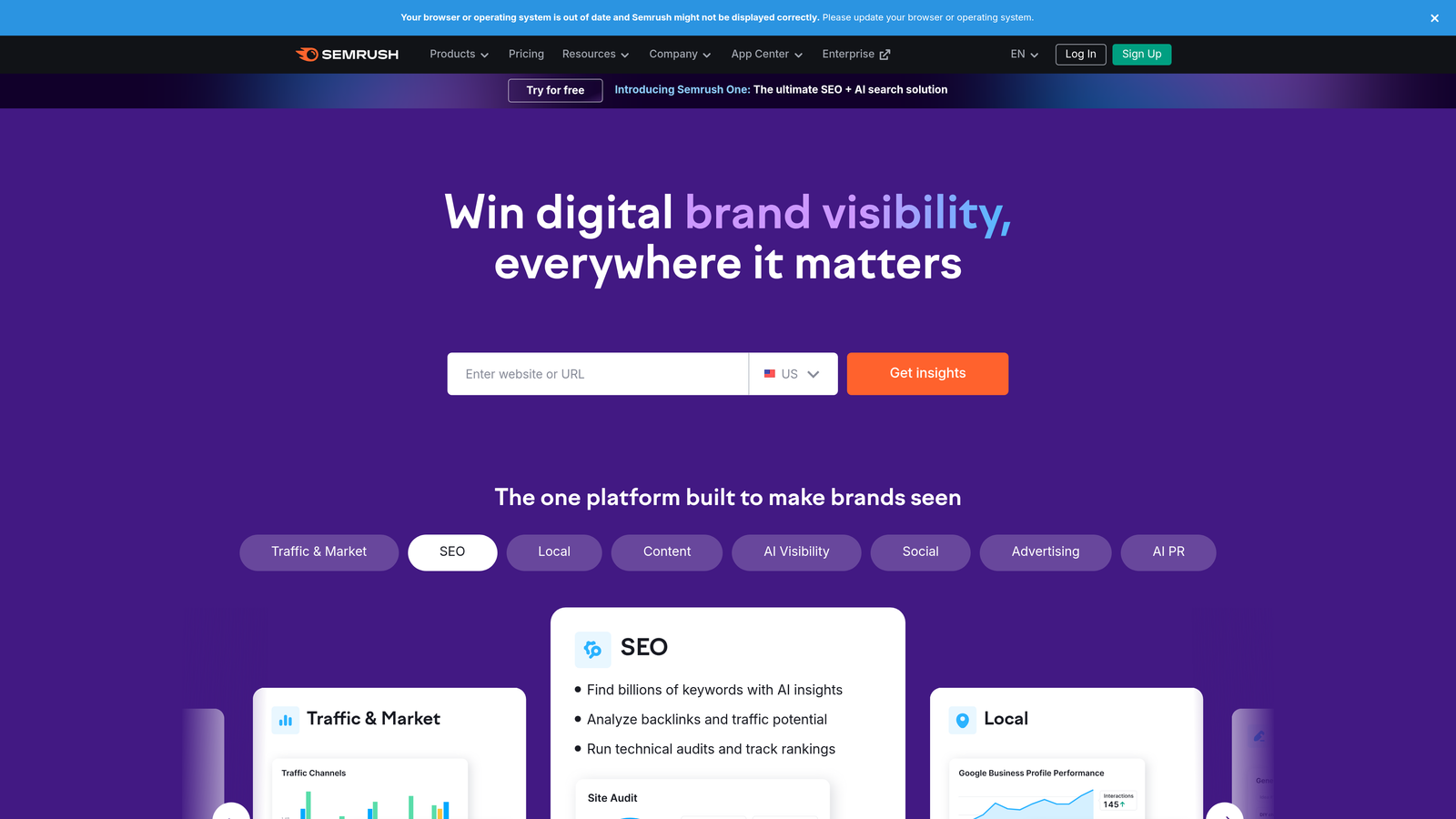
SEMrush is a powerful tool for researching competitor keywords and refining your own strategy.
Excluding competitor brand names can help avoid wasted ad spend on unqualified clicks. When your ads are shown for searches containing brand names that aren't yours, you may see clicks that don't convert. For example, a shoe retailer might exclude "Nike" to prevent ads from appearing for users searching specifically for that brand. Being strategic about brand name exclusions can protect your budget and improve conversion rates, allowing you to focus on your unique offerings.
2. Irrelevant Product Keywords
Best for: Businesses wanting to improve traffic quality by filtering out unrelated product searches.
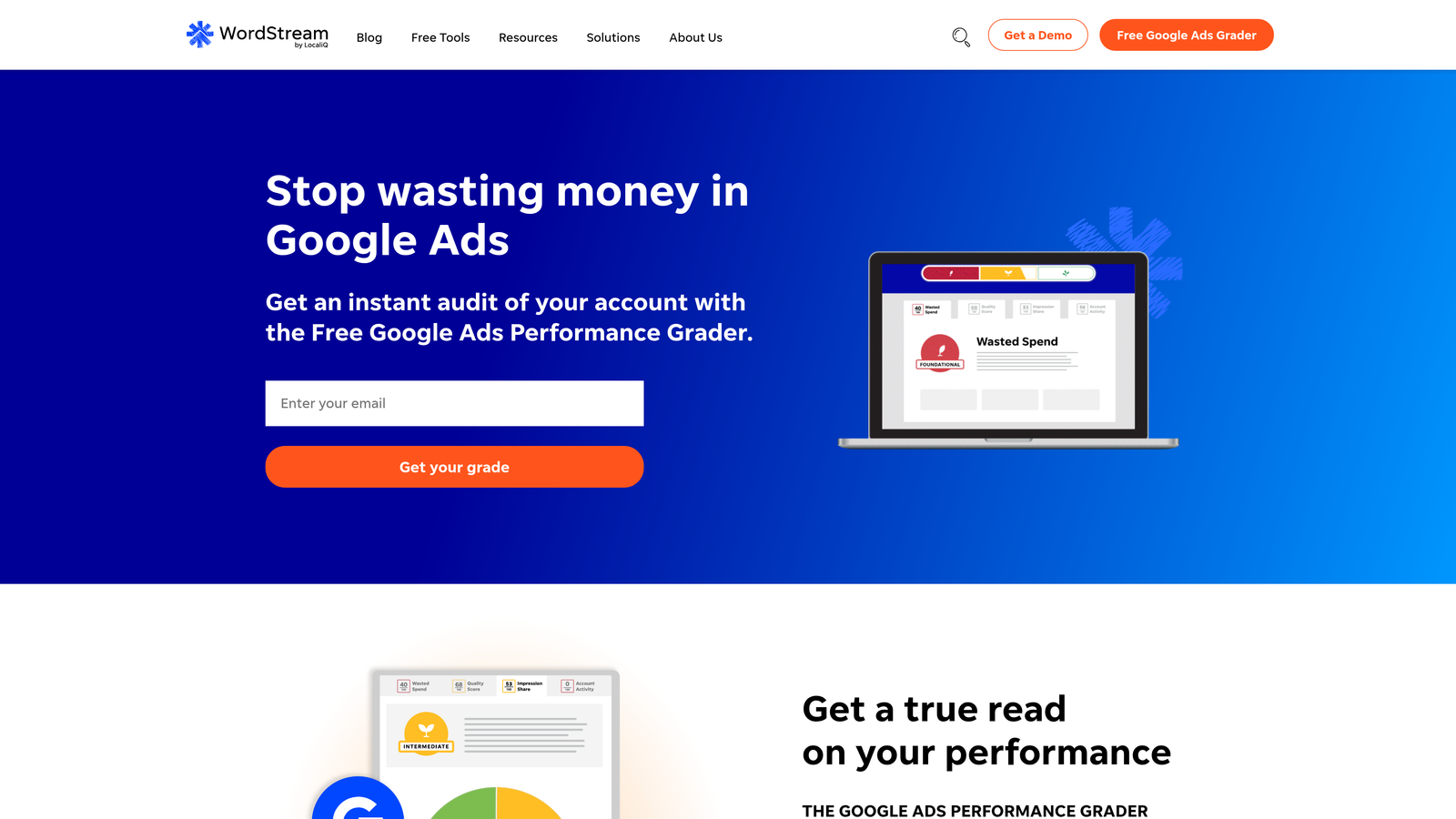
WordStream provides excellent insights into managing negative keywords effectively.
Excluding unrelated product terms is essential to prevent budget waste on clicks that won't lead to sales. Ads for unrelated products can dilute your campaign's effectiveness and lead to low-quality traffic. For instance, a company selling organic skincare products might exclude keywords like "cheap" or "discount" to focus on higher-quality leads. Identifying irrelevant product keywords can enhance the quality of traffic to your site, leading to a more engaged audience and better conversion rates.
3. Geographic Exclusions
Best for: Local businesses aiming to maximize ad spend by targeting specific geographic areas.
Hootsuite offers tools that help manage social media ads and can be useful for geographic targeting.

Excluding regions where your products or services are not available helps improve targeting. Ads shown to users in irrelevant locations can lead to clicks that won't convert. For example, a local restaurant might exclude searches from outside its delivery area to maximize ad efficiency. Geographic targeting is essential for maximizing ad spend effectiveness, ensuring that your budget is spent on potential customers who are most likely to convert.
4. Job Seekers and Employment Related Keywords
Best for: Service-based businesses wanting to concentrate on customers rather than job seekers.
Indeed is a popular job listing site where many job seekers search for employment opportunities.

Excluding job-related keywords can prevent service-based businesses from attracting unqualified leads. Many service industries face click wastage from users seeking employment opportunities rather than services. For instance, a plumbing service might exclude terms like "plumber jobs" to focus solely on customers needing plumbing services. Understanding the implications of job seeker keywords is crucial for service-oriented campaigns, as it helps in directing your ad spend towards actual service requests.
5. Free and Discount Related Keywords
Best for: Companies wanting to avoid attracting bargain hunters who are not aligned with their brand.
PriceGrabber is a price comparison tool that can help identify discount-related traffic.

By excluding terms like "free" or "discount," businesses can avoid attracting users looking for complimentary services or cheap alternatives. A travel agency, for example, might exclude "free vacations" to focus on users willing to pay for quality experiences. This targeted approach not only saves money but also improves click-through rates by ensuring that the traffic you do attract is more likely to convert into sales.
6. General Terms and Non-Product Related Keywords
Best for: Advertisers aiming to refine their keyword strategy and eliminate irrelevant traffic.
Keyword Tool is great for generating keyword ideas, including identifying non-relevant terms to exclude.

Excluding general terms that do not relate to your specific products or services helps maintain focus on your target audience. For instance, if you sell high-end appliances, you might want to exclude keywords like "appliance repair" that attract users looking for maintenance rather than purchasing. This strategy not only enhances traffic quality but also ensures that your ads are shown to users who are genuinely interested in your offerings.
7. Seasonal Terms
Best for: Businesses wanting to avoid irrelevant seasonal traffic during off-peak periods.
SEMrush can help analyze seasonal trends and identify when to adjust keyword strategies.
Excluding seasonal terms that do not apply to your business during certain times of the year helps optimize ad spend. For example, if you sell winter clothing, excluding terms like "summer dresses" during the off-season can prevent irrelevant clicks. This type of strategic exclusion ensures that your ads remain relevant year-round, focusing your budget on periods when your products are in high demand.
8. Competitor-Specific Keywords
Best for: Brands wanting to protect their market share against competitors.
SpyFu can provide insights into competitor strategies and keyword exclusions.

By excluding keywords that specifically target your competitors, you can avoid wasting ad spend on users who are not likely to convert. For instance, a coffee shop might exclude terms like "Starbucks" to ensure their ads don’t show up for those specifically looking for that chain. This practice allows businesses to concentrate on their unique value propositions and attract customers genuinely interested in their offerings.
Wrapping Up Your Negative Keywords Strategy
Incorporating negative keywords into your PPC campaigns is essential for optimizing ad spend and improving conversion rates. By strategically excluding irrelevant searches—such as competitors' brand names, irrelevant product keywords, geographic areas, and job-related queries—you can focus your budget on high-intent users. As we've seen with various examples, the right negative keyword strategy not only protects your budget but also enhances the effectiveness of your campaigns.
To further enhance your campaigns, consider tools like WordStream or SEMrush for effective keyword management. By continuously refining your negative keyword list, you can ensure that your ads reach the right audience, maximizing your return on investment.
.svg)