
9 Best PPC Tools for Lead Generation in 2026
Discover the 9 best PPC tools for lead generation in 2026, covering the full campaign workflow from search term management and landing page optimization to call tracking, bid automation, and revenue attribution. This guide helps freelancers and agencies build a practical tool stack that eliminates wasted spend and scales campaigns that generate real, measurable leads.


TL;DR: Generating leads with PPC isn't just about bidding on the right keywords. It's about having the right stack to find high-intent search terms, cut wasted spend, build pages that actually convert, and track what turns into real revenue. This list covers tools across the full lead gen PPC workflow: search term management, landing page optimization, call and form tracking, bid automation, competitive intelligence, and revenue attribution. Selection criteria focused on real-world usefulness for lead gen specifically (not just e-commerce), pricing that works for freelancers and agencies, and integration with Google Ads.
Whether you're managing a single client account or juggling 30, the right tools make the difference between campaigns that drain budget and campaigns that scale. Here are the top PPC tools worth having in your stack.
1. Keywordme
Best for: Search term management and keyword optimization directly inside Google Ads
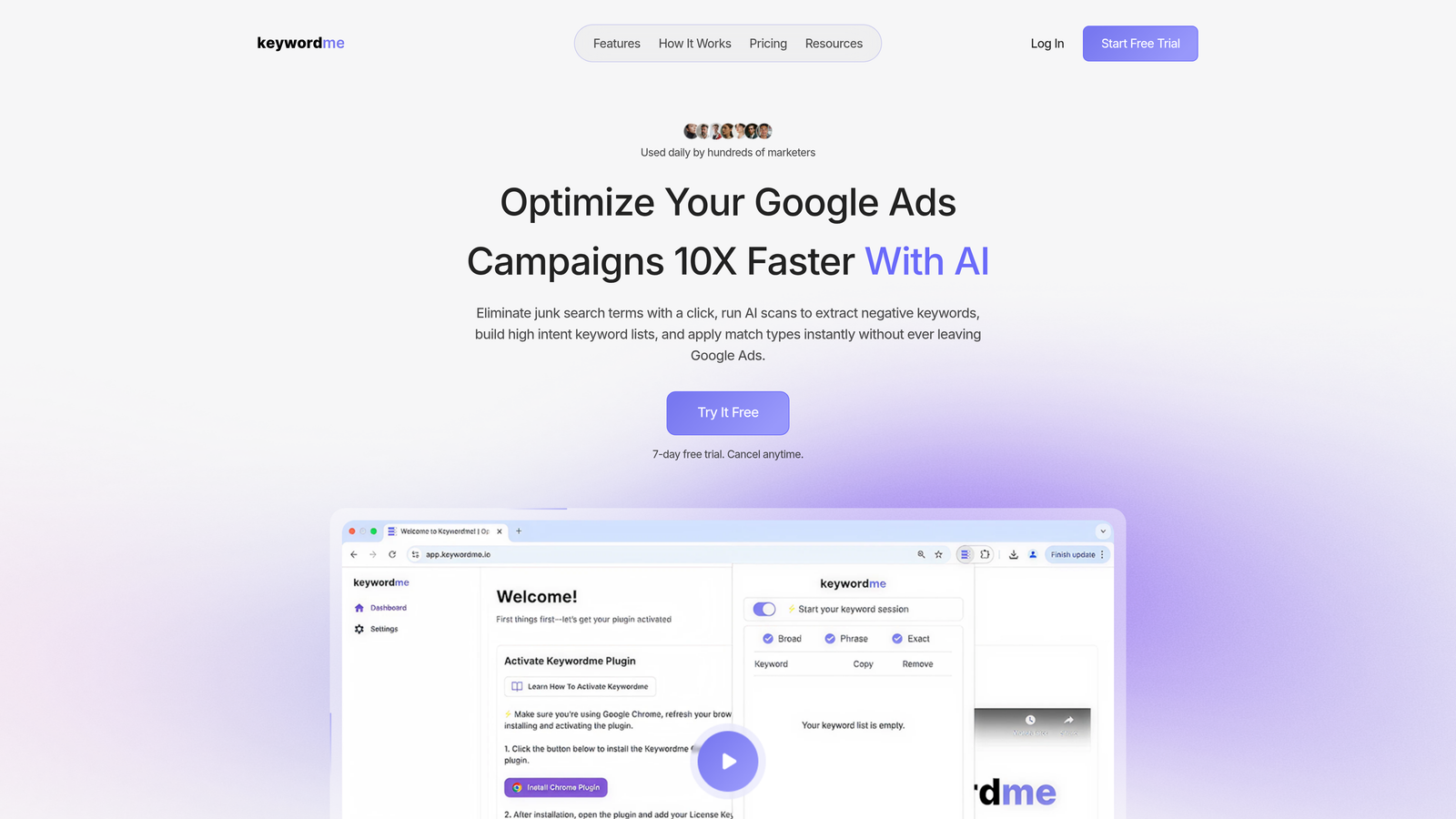
Keywordme is a Chrome extension that lets you optimize Google Ads campaigns right inside the Search Terms Report, without ever touching a spreadsheet.
Where This Tool Shines
In most accounts I audit, the biggest source of wasted spend isn't the bidding strategy—it's the search terms report. Irrelevant queries quietly eat budget for months because cleaning them up manually is tedious. Keywordme fixes that by putting one-click actions directly inside the Google Ads interface: remove junk terms, add negatives, apply match types, cluster keywords into groups—all without switching tabs or exporting CSVs.
For lead gen specifically, this matters a lot. Search intent is everything when your conversion is a form fill or a phone call. A single irrelevant keyword cluster can tank your cost per lead without you even knowing it. Keywordme makes that cleanup fast enough to actually happen on a regular basis, which is the real value.
Key Features
One-Click Junk Term Removal: Flag and remove irrelevant search terms from the Search Terms Report instantly, without leaving Google Ads.
Match Type Application: Apply or change match types to keywords in bulk directly from the interface.
Keyword Clustering: Group search terms into thematic clusters to build tighter ad groups faster.
Negative Keyword List Building: Build and apply negative keyword lists in-interface without exporting to a spreadsheet.
Multi-Account and Team Support: Manage multiple client accounts and collaborate with team members, making it practical for agencies.
Best For
Freelancers and agency PPC managers who spend significant time in the Search Terms Report every week. Especially useful for lead gen accounts where search intent filtering is critical and wasted spend on irrelevant queries is a common problem. The flat-rate pricing makes it accessible at any account size.
Pricing
$12/month per user with a 7-day free trial. One of the most affordable tools on this list relative to the time it saves.
2. Google Ads Editor
Best for: Bulk campaign edits and offline account management across large Google Ads accounts
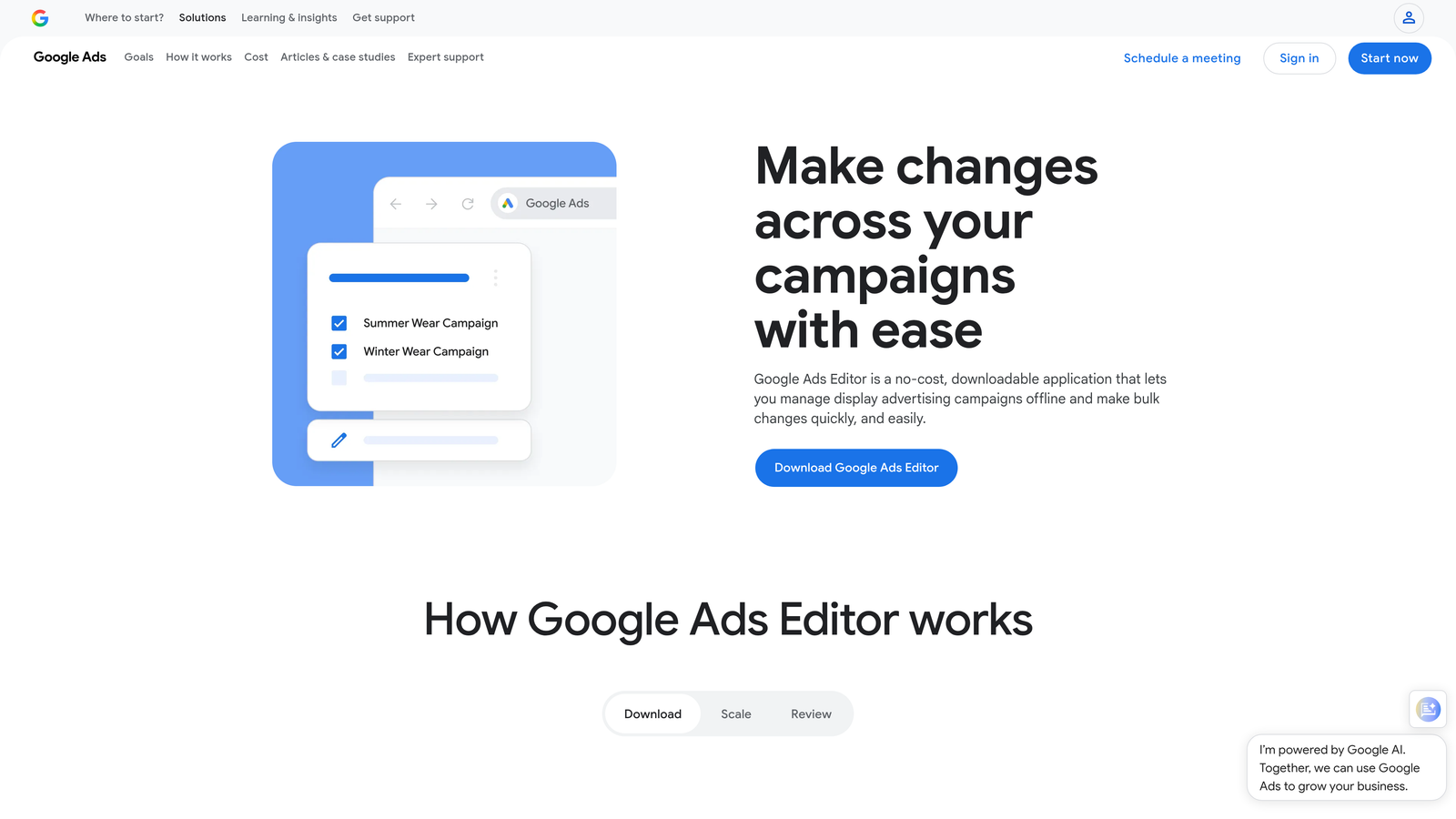
Google Ads Editor is a free desktop application from Google for making bulk changes to campaigns offline, then uploading them in batch.
Where This Tool Shines
What usually happens here is that advertisers underestimate how much time they lose making repetitive edits inside the Google Ads web interface. Ads Editor lets you work offline, use find-and-replace across ad copy, copy entire campaigns between accounts, and upload everything at once. For lead gen campaigns with lots of ad variations or keyword restructuring work, it's a massive time saver.
It's not the flashiest tool on this list, but it's the one that every serious PPC manager should have installed. The fact that it's completely free makes it a no-brainer addition to any workflow.
Key Features
Bulk Editing: Change keywords, bids, ad copy, and settings across multiple campaigns simultaneously.
Offline Workflow: Make edits without an internet connection, then upload changes in batch when ready.
Find and Replace: Update ad copy or keyword text across hundreds of ads at once.
Campaign Duplication: Copy and paste entire campaigns or ad groups between accounts.
No Cost, No Limits: Free to use with no usage caps or account size restrictions.
Best For
Any Google Ads manager handling medium to large accounts. Especially useful when restructuring campaigns, launching new ad groups in bulk, or managing multiple accounts that share similar campaign structures.
Pricing
Free. No subscription, no usage limits, available directly from Google.
3. Optmyzr
Best for: Automated PPC optimization workflows with a human approval layer
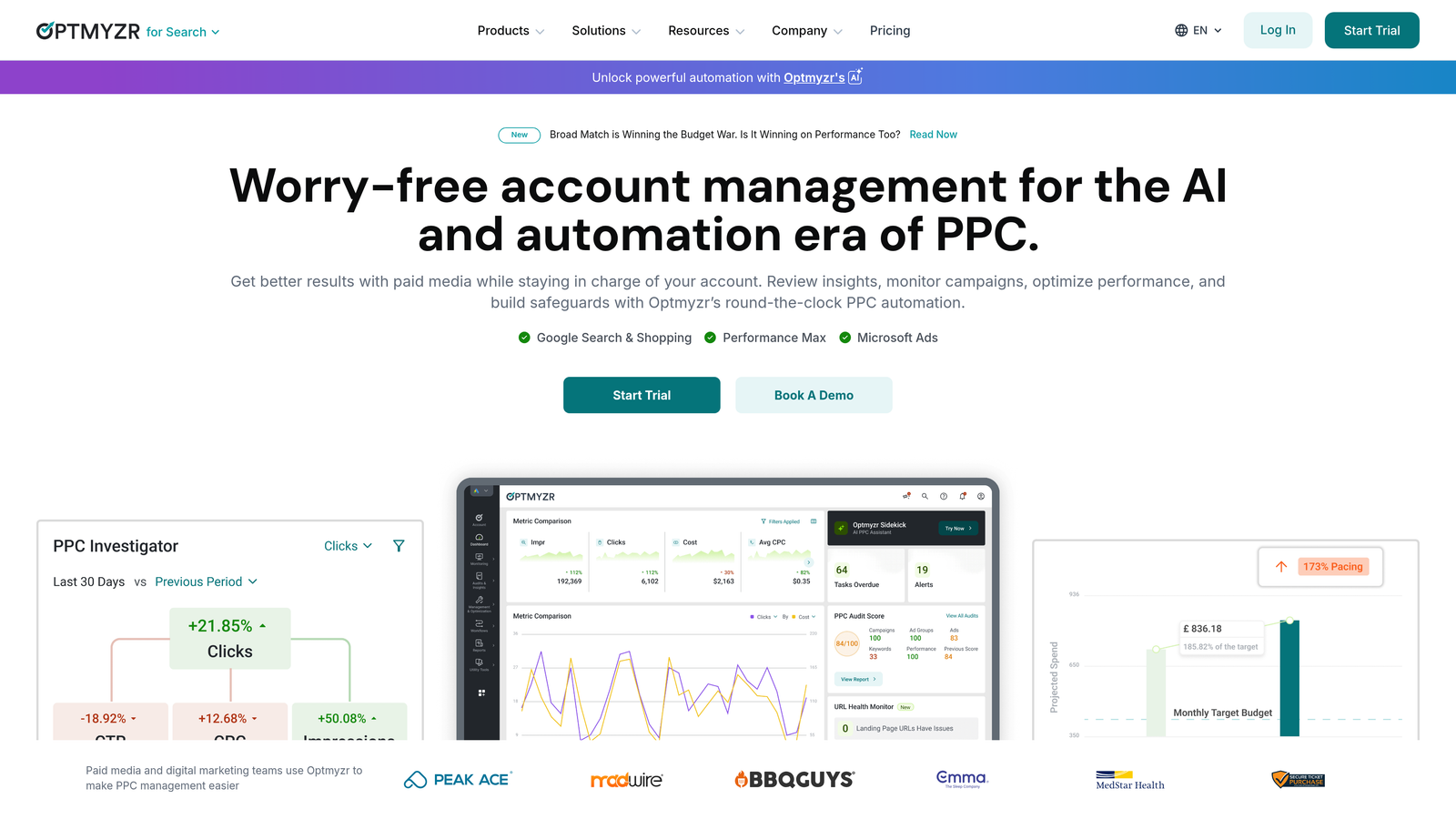
Optmyzr is a PPC management platform offering automated optimization workflows, rule-based bid strategies, and white-label reporting across Google, Microsoft, and Amazon Ads.
Where This Tool Shines
The mistake most agencies make is trying to manually optimize every account at the same cadence. Optmyzr solves this with pre-built optimization playbooks that surface recommendations you can approve with a single click. You're still in control, but the heavy lifting of identifying what needs attention is done for you.
For lead gen accounts specifically, the custom rule engine is powerful. You can set rules like "pause keywords with more than X clicks and zero conversions" or "increase bids on keywords with a cost per lead below target." It runs on your schedule and flags exceptions for human review.
Key Features
Optimization Playbooks: Pre-built workflows for common PPC tasks like search term mining, bid adjustments, and budget pacing.
One-Click Optimizations: Review and approve recommendations individually before they go live.
Custom Rule Engine: Build automated rules for bids, budgets, and keyword management based on performance data.
Cross-Platform Support: Manage Google, Microsoft, Amazon, and Meta campaigns from one interface.
White-Label Reporting: Generate branded reports for agency clients without extra formatting work.
Best For
Agencies managing multiple lead gen clients who need to scale optimization work without scaling headcount. Also useful for in-house teams running complex accounts across multiple platforms.
Pricing
Starts around $249/month. Pricing scales based on ad spend and number of accounts managed.
4. Unbounce
Best for: Building and testing high-converting lead gen landing pages without coding
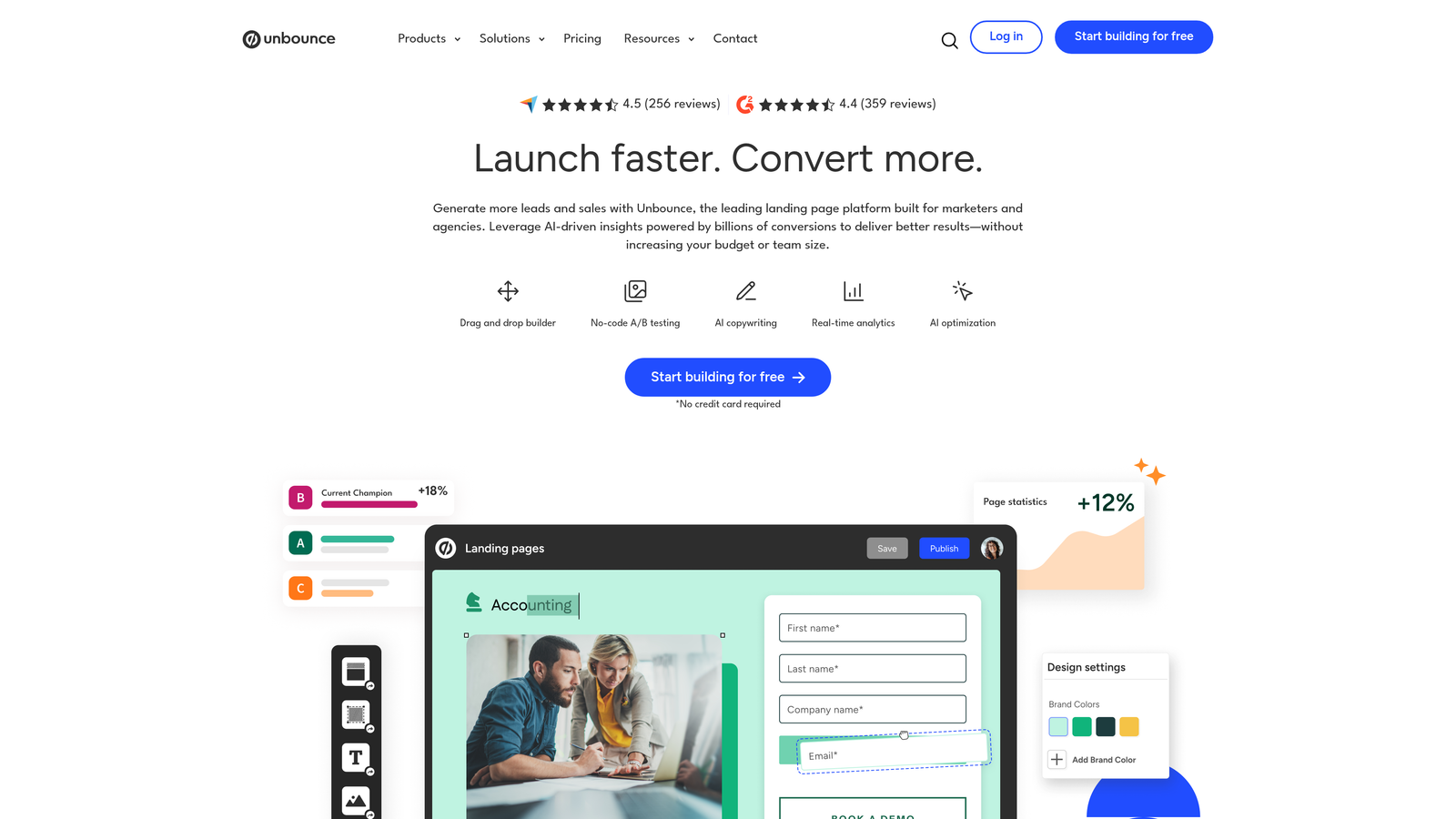
Unbounce is a landing page builder with AI-powered traffic routing that helps PPC advertisers create and test lead generation pages fast.
Where This Tool Shines
Sending PPC traffic to your homepage is one of the most common lead gen mistakes. Unbounce exists to fix that. It gives you a drag-and-drop builder with 100+ templates designed specifically for conversion, not aesthetics. You can launch a new landing page in hours and start testing immediately.
The Smart Traffic feature is genuinely useful: it uses AI to route individual visitors to the landing page variant most likely to convert based on their attributes, rather than splitting traffic 50/50 like traditional A/B tests. For lead gen campaigns where every click costs money, that kind of optimization adds up.
Key Features
Drag-and-Drop Builder: Build and customize landing pages without any coding knowledge using 100+ conversion-focused templates.
Smart Traffic AI: Automatically routes visitors to the best-performing page variant based on visitor attributes.
Built-In A/B Testing: Test headlines, CTAs, form layouts, and page designs with native split testing.
Popups and Sticky Bars: Add secondary lead capture elements to any page without additional tools.
CRM Integrations: Connect directly with HubSpot, Salesforce, Mailchimp, and other marketing tools.
Best For
PPC managers who want full control over their landing page experience without depending on a developer. Ideal for agencies running campaigns across multiple clients with different offers and audiences.
Pricing
Starts around $99/month. Higher tiers unlock more landing pages, domains, and advanced features.
5. CallRail
Best for: Attributing phone calls and form submissions back to specific PPC keywords
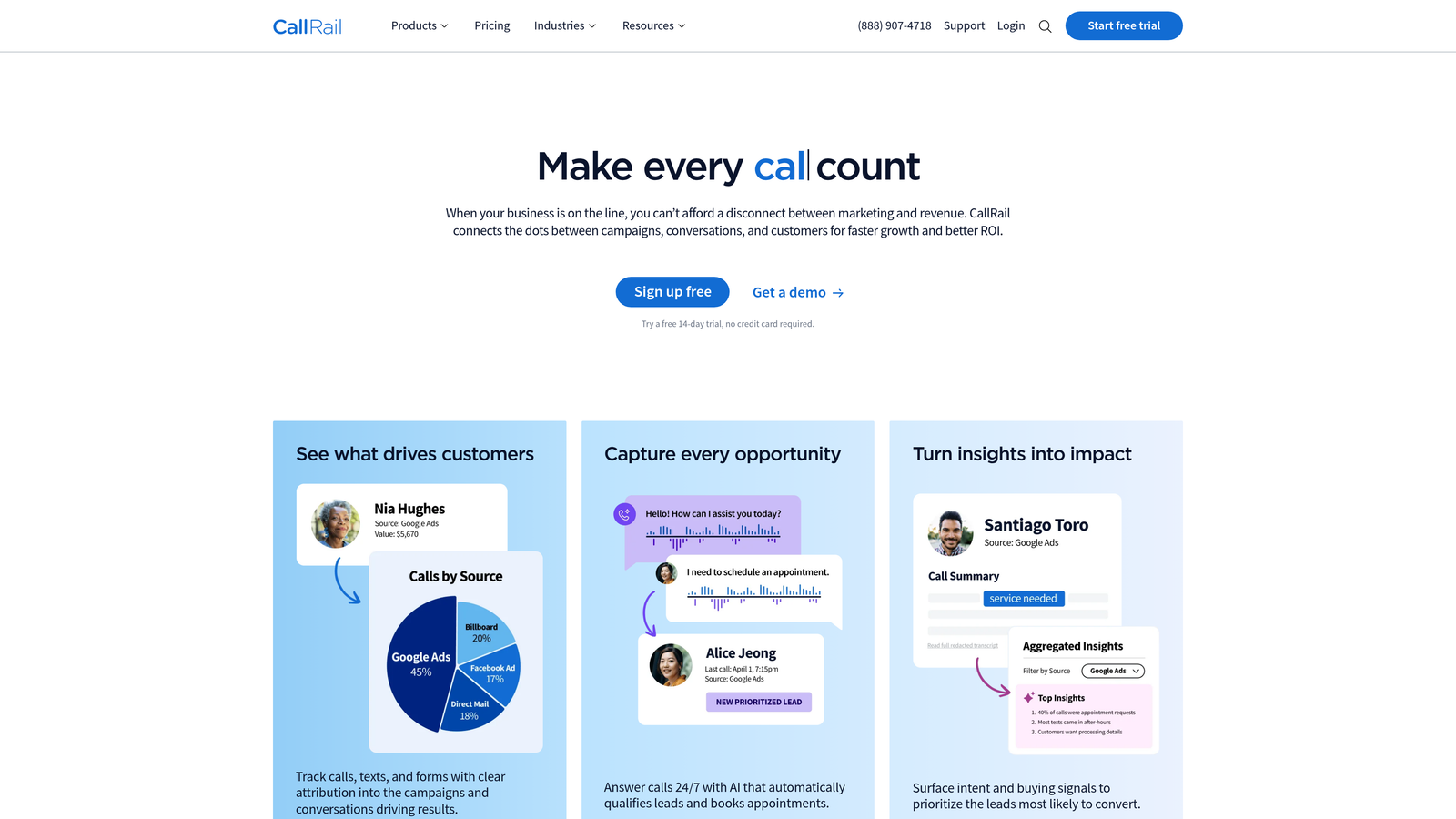
CallRail is a call tracking and form tracking platform that ties phone calls, texts, and form submissions back to the specific keywords and campaigns that drove them.
Where This Tool Shines
Lead gen PPC is fundamentally different from e-commerce because a huge portion of conversions happen off-platform: phone calls, form fills, chat conversations. If you're only tracking clicks and on-site conversions, you're flying blind on a significant chunk of your actual results. CallRail closes that gap.
Dynamic number insertion is the core mechanism: CallRail swaps out the phone number on your landing page based on the traffic source, so each visitor sees a unique number that's tied back to their specific keyword and session. That data flows back into Google Ads as offline conversions, which makes your bidding smarter over time.
Key Features
Dynamic Number Insertion: Attribute phone calls to the exact keyword and campaign that drove the call.
Form Tracking: Connect form submissions to ad clicks with the same keyword-level granularity as call tracking.
Conversation Intelligence: AI-powered call scoring and transcription to qualify leads without manual listening.
Google Ads Integration: Import offline conversions directly into Google Ads for smarter automated bidding.
Multi-Channel Attribution: Track leads across PPC, organic, direct, and social in one view.
Best For
Any lead gen advertiser where phone calls are a significant conversion path. Essential for service businesses, healthcare, legal, home services, and B2B companies where prospects prefer calling over filling out forms.
Pricing
Starts around $50/month. Pricing scales based on the number of tracking numbers and minutes used.
6. SpyFu
Best for: Competitive PPC intelligence and discovering competitor keyword strategies
SpyFu is a competitive intelligence tool that reveals competitors' PPC keywords, ad copy history, and estimated ad spend going back years.

Where This Tool Shines
Here's where it gets interesting: SpyFu lets you see exactly which keywords your competitors have been bidding on for years, not just what they're running right now. Long-running keywords are usually profitable keywords. If a competitor has been bidding on the same term for 18 months, that's a strong signal it converts for them.
For lead gen campaigns, this is particularly useful when entering a new vertical or launching for a new client. Instead of spending weeks testing to find what works, you can start with a shortlist of terms that competitors have already validated with their own budget.
Key Features
Competitor Keyword History: See every keyword a competitor has ever bid on, with historical data going back years.
Estimated Spend Data: View estimated monthly PPC spend and click volume per domain.
Ad Copy Tracking: See every ad variation a competitor has run and how long each version ran.
Keyword Grouping Suggestions: Get campaign structure ideas based on competitor keyword patterns.
Exportable Keyword Lists: Download competitor keyword data directly into your campaign planning workflow.
Best For
PPC managers launching campaigns in competitive verticals, or anyone doing a competitive audit before taking on a new client. Also useful for ongoing monitoring of how competitors shift their messaging and keyword strategy.
Pricing
Starts around $39/month, making it one of the more affordable competitive intelligence options available.
7. SEMrush PPC Toolkit
Best for: Comprehensive keyword research, CPC analysis, and competitor ad monitoring in one platform
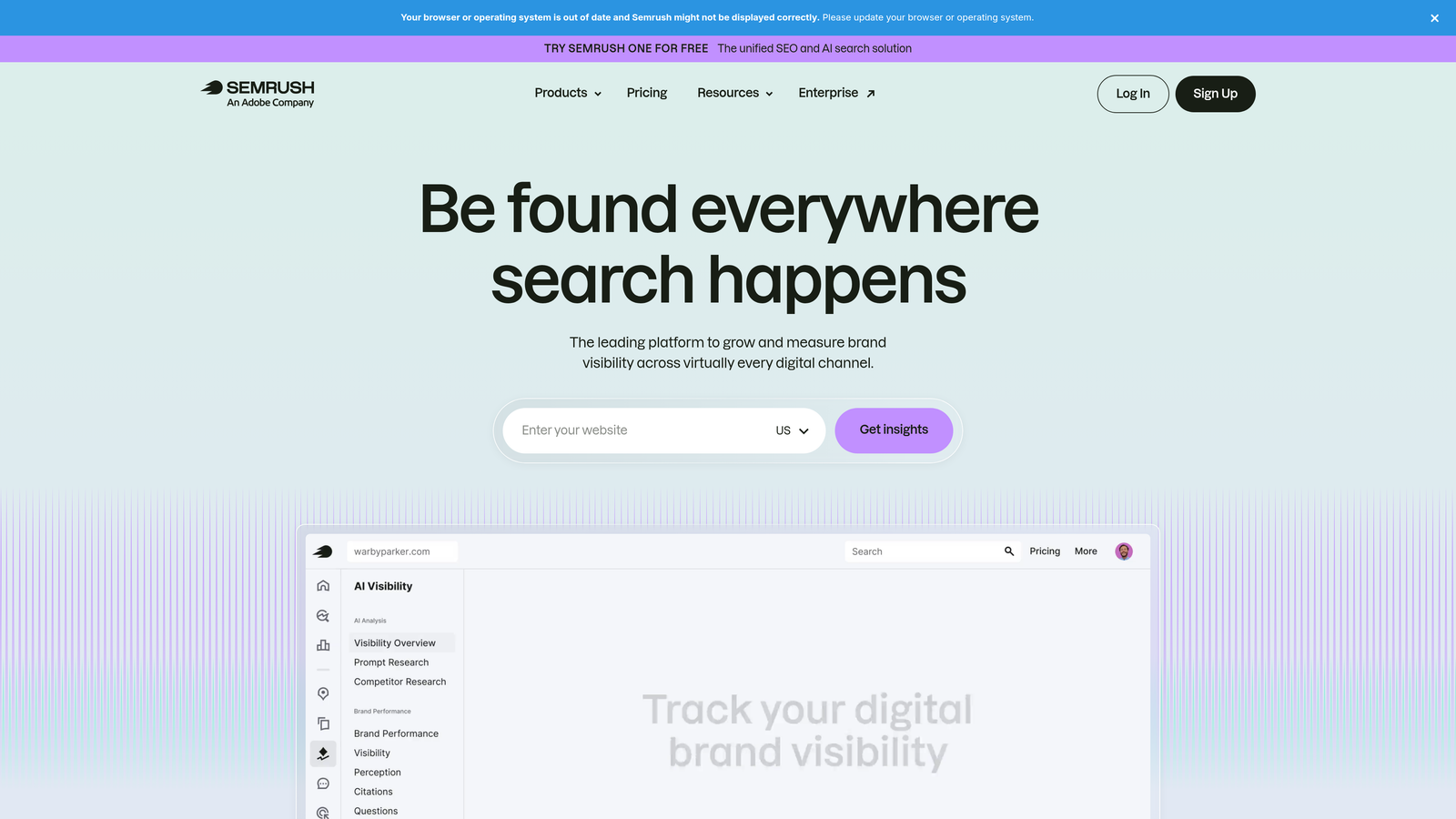
SEMrush is a full digital marketing suite with a dedicated PPC toolkit covering keyword research, ad history, competitor monitoring, and campaign planning.
Where This Tool Shines
SEMrush's PPC Keyword Tool is genuinely underused by most advertisers. It lets you build out full campaign keyword lists, assign keywords to ad groups, and identify cross-group negatives before you ever launch. For lead gen campaigns where keyword intent segmentation matters, that upfront organization pays off in lower CPLs.
The ad history and competitor ad copy library is also valuable for creative strategy. Seeing what messaging competitors have tested and kept running gives you a shortcut to understanding what resonates in your market.
Key Features
Keyword Database: Massive keyword database with CPC estimates, competition scores, and trend data.
PPC Keyword Tool: Plan full campaign structures with ad group organization and cross-group negative identification.
Ad History Library: Access competitor ad copy variations and track how messaging evolves over time.
Position Tracking: Monitor paid search rankings for your target keywords alongside organic performance.
Google Ads Integration: Sync data directly with Google Ads for streamlined campaign management.
Best For
Agencies and in-house teams that want SEO and PPC research in a single platform. Best suited for teams doing regular competitive analysis and keyword research as part of their workflow.
Pricing
Starts around $139.95/month, which includes both SEO and PPC tools across the full suite.
8. Ruler Analytics
Best for: Connecting PPC spend to actual closed revenue in your CRM
Ruler Analytics is a revenue attribution platform that connects anonymous website visitors to CRM-closed revenue, attributing actual deal value back to specific PPC keywords and campaigns.
Where This Tool Shines
Most lead gen attribution stops at the form fill. Ruler Analytics goes further by tracking what happens after the lead enters your CRM: which leads became opportunities, which closed, and how much revenue they generated. Then it maps that revenue back to the original keyword and campaign that drove the first click.
This changes the conversation from "cost per lead" to "cost per revenue," which is a much more useful metric for making budget and bidding decisions. In most accounts I audit, the keywords generating the most leads aren't always the ones generating the most revenue—Ruler makes that visible.
Key Features
Multi-Touch Attribution Models: Choose from first click, last click, linear, time decay, and custom attribution models.
CRM Revenue Connection: Link website sessions to actual deal values inside Salesforce, HubSpot, Pipedrive, and others.
Keyword-Level Revenue Attribution: See which Google Ads keywords are generating the most closed revenue, not just leads.
Offline Conversion Tracking: Attribute phone and in-person conversions back to their originating digital touchpoint.
Cross-Channel View: See attribution data across PPC, organic, email, and direct traffic in one dashboard.
Best For
B2B and high-ticket lead gen advertisers with longer sales cycles where the gap between lead and revenue is significant. Especially valuable for teams that need to justify PPC spend based on pipeline and revenue, not just lead volume.
Pricing
Starts around $200/month. Best suited for teams with established CRM workflows and meaningful lead-to-close data.
9. Adalysis
Best for: Automated ad testing, quality score monitoring, and campaign auditing
Adalysis is a Google Ads optimization tool focused on automated ad testing, quality score tracking, and campaign auditing to improve lead gen performance over time.
Where This Tool Shines
Adalysis is built around a problem most advertisers ignore until it's too late: systematic ad testing. Rather than running ads and eyeballing performance, Adalysis uses statistical significance detection to tell you when a test has enough data to call a winner. That removes the guesswork and prevents you from making decisions on small sample sizes.
The negative keyword conflict detection is also a hidden gem. In accounts with many campaigns and ad groups, it's easy to accidentally add a negative that blocks a term you actually want to capture. Adalysis flags those conflicts automatically, which is the kind of audit that usually only happens when something goes visibly wrong.
Key Features
Automated Ad Testing: Continuously tests ad variations and flags winners when statistical significance is reached.
Quality Score Monitoring: Track quality score history at the keyword level to identify and fix underperforming terms.
Campaign Audit Checklists: Automated alerts for common account issues like disapproved ads, low impression share, and budget caps.
Negative Keyword Conflict Detection: Identifies cases where negatives are accidentally blocking intended traffic.
Search Term Waste Analysis: Surfaces high-spend, low-conversion search terms that need to be addressed.
Best For
PPC managers who run a lot of ad copy tests and need a systematic way to track results. Also useful for agencies that do regular account audits as part of their client reporting workflow.
Pricing
Starts around $99/month, with pricing based on total account ad spend.
Which Tool Is Right for Your Lead Gen Stack?
No single tool covers everything, and the right combination depends on where your biggest gaps are right now. Here's a quick way to think about it by use case.
If you're a solo advertiser or freelancer managing a handful of accounts, start with the tools that give you the most leverage per dollar. Keywordme at $12/month handles the search term management work that eats up hours every week. Google Ads Editor is free and makes bulk edits dramatically faster. SpyFu at $39/month gives you competitive intelligence without a big subscription commitment. That's a capable stack under $55/month.
If you're running an agency with multiple lead gen clients, the calculus shifts toward tools that scale across accounts. Optmyzr's automated playbooks and white-label reporting make multi-account management more manageable. Keywordme's team support means your whole team can work faster inside Google Ads without each person reinventing their workflow. CallRail becomes essential if any of your clients rely on phone calls as a primary conversion path.
For B2B or high-ticket lead gen where the sales cycle is long, Ruler Analytics is the tool that changes how you justify and optimize spend. When you can see which keywords are generating actual revenue rather than just leads, your bidding decisions get a lot sharper.
The trend worth noting: the best tools in 2026 are the ones that fit inside workflows you already have, rather than requiring you to learn an entirely new system. That's exactly why Keywordme has become a go-to for PPC managers who spend time in the Search Terms Report every week. It works where you already are.
If you're looking for a fast win on your Google Ads accounts, start there. Start your free 7-day trial and see how much time you reclaim in the first week alone. Then build out the rest of your stack from there.
.svg)