
5 Essential Tips On How Often Should I Update My Negative Keyword List?
Discover how often you should update your negative keyword list to optimize your PPC campaigns and enhance ad performance.


Imagine you're running a successful PPC campaign, but you notice that your ad spend is creeping up while conversions remain stagnant. Sound familiar? This situation is all too common in digital marketing, especially for those who overlook the power of negative keywords. You may be asking yourself, "How often should I update my negative keyword list?" Keeping your negative keyword list fresh is not just a best practice; it's a necessity for optimizing ad performance and managing your budget efficiently.
Negative keywords are terms that prevent your ads from appearing when users search for those specific terms. They help refine your targeting by excluding irrelevant searches, ensuring that your ads reach the right audience. However, many marketers fail to regularly review and update their negative keyword lists, leading to wasted ad spend and lower return on investment (ROI). According to recent studies, incorporating negative keywords can reduce wasted ad spend significantly, with some businesses reporting savings of up to 20% in their PPC budgets.
By the end of this article, you'll know exactly how often to update your negative keyword list and the best practices to implement for effective management. Let's dive into the top strategies that can help you optimize your PPC campaigns and improve your bottom line.
1. The Critical Importance of Negative Keywords in PPC
Best for: Understanding the role of negative keywords in enhancing ad performance and ROI.
Google Ads is a platform that allows advertisers to manage their PPC campaigns effectively. Negative keywords are terms that prevent ads from being shown when users search for those specific terms. They help refine targeting by excluding irrelevant searches and enhance the overall effectiveness of ad campaigns by focusing on relevant traffic. For example, a company selling luxury watches may want to exclude terms like "cheap" or "discount." By implementing negative keywords, businesses can improve their click-through rates (CTR) and conversion rates, which ultimately leads to better campaign performance.

What Are Negative Keywords?
Negative keywords are a vital aspect of PPC advertising. They allow advertisers to specify which search terms should not trigger their ads. This strategic exclusion helps minimize irrelevant clicks, ensuring that ad spend is used more efficiently. For instance, if a business sells high-end electronics, it would want to exclude terms like "used" or "refurbished" to avoid attracting customers looking for lower-priced options.
Impact on Ad Spend
Neglecting negative keywords can lead to a spike in unnecessary ad spend. By preventing ads from appearing in irrelevant searches, businesses can optimize their budget allocation. Improved CTR contributes to better quality scores, further enhancing ad performance and reducing costs. Many companies that regularly update their negative keyword lists report higher ROI and lower costs per acquisition.
Real-World Examples of Success
Businesses that incorporate a robust negative keyword strategy frequently see improved CTR and reduced waste in ad spend. For example, a retail brand might save 20% of its ad budget by implementing a targeted negative keyword campaign. This demonstrates the tangible benefits of focusing on negative keywords in PPC strategies.
2. Best Practices for Updating Your Negative Keyword List
Best for: Actionable guidelines on the frequency and methods for updating negative keywords in campaigns.
Updating your negative keyword list is crucial for maintaining the effectiveness of your PPC campaigns. Here are some best practices to consider:
Monthly Review of Keywords
Conducting a monthly review of your negative keywords helps maintain campaign efficiency. Regular assessments can identify terms that should be added or removed, adapting to changing market dynamics. For example, an e-commerce store might find that certain seasonal products should be excluded from search terms. Scheduling regular reviews ensures that your negative keyword list stays relevant and effective.
Seasonal Adjustments
Seasonal trends can affect keyword performance, necessitating timely updates. Certain keywords might be more relevant during specific times of the year. For instance, a retailer may need to add negative keywords related to off-season products during peak shopping seasons. Awareness of seasonal trends allows for proactive campaign adjustments.
Performance Metrics Analysis
Regular analysis of performance metrics can highlight the need for keyword updates. Monitoring CTR and conversion rates provides insights into keyword effectiveness. If a drop in conversions is noted, it may signal that certain keywords are attracting the wrong audience. Leveraging performance data can guide informed decisions about your negative keyword list, ensuring optimal campaign performance.
3. Recognizing the Signs That It's Time for an Update
Best for: Identifying specific indicators that suggest a negative keyword list needs refreshing.
Recognizing signs that it's time for an update can prevent budget waste and improve ad performance. Here are some key indicators:
Declining Click-Through Rate (CTR)
A drop in CTR can indicate that negative keywords need revisiting. Low CTR often correlates with irrelevant traffic and can reveal opportunities for keyword updates. For instance, if a business notices a drop in CTR after the introduction of new competitors, it may need to reassess its negative keyword strategy.
Increased Spending with Low Conversions
If you're spending heavily on ads without seeing conversions, it may signal ineffective keyword targeting. High costs combined with low conversions can indicate the need for strategic adjustments. Analyzing which keywords lead to this mismatch can provide clarity. For example, a campaign spending heavily on broad match keywords may find that they attract the wrong audience.
New Competitors and Market Trends
Changes in the competitive landscape can necessitate updates to your keyword strategy. New competitors may target similar audiences, requiring you to adapt. Staying informed about market trends helps in making timely updates to your negative keywords, ensuring that your campaigns remain relevant.
4. Essential Tools for Effective Negative Keyword Management
Best for: Highlighting tools that assist in identifying and managing negative keywords efficiently.
Utilizing the right tools can streamline the process of maintaining an effective negative keyword list. Here are some essential tools:
Google Ads Negative Keyword Tool
Google Ads Negative Keyword Tool is a primary resource for managing negative keywords. This tool allows advertisers to add negative keywords directly within their campaigns and provides suggestions based on search queries and performance data. Users can analyze search term reports to find negative keywords to exclude, enhancing their targeting strategies.
Other PPC Management Tools
Various PPC management tools can enhance negative keyword strategies. These tools often provide insights into keyword performance and suggest negative keywords based on data analysis. Tools like WordStream is a platform that helps optimize PPC campaigns and SpyFu is a competitive analysis tool that provides insights into PPC strategies, can offer valuable insights and recommendations, helping you optimize your negative keyword management effectively.

Keyword Research Tools
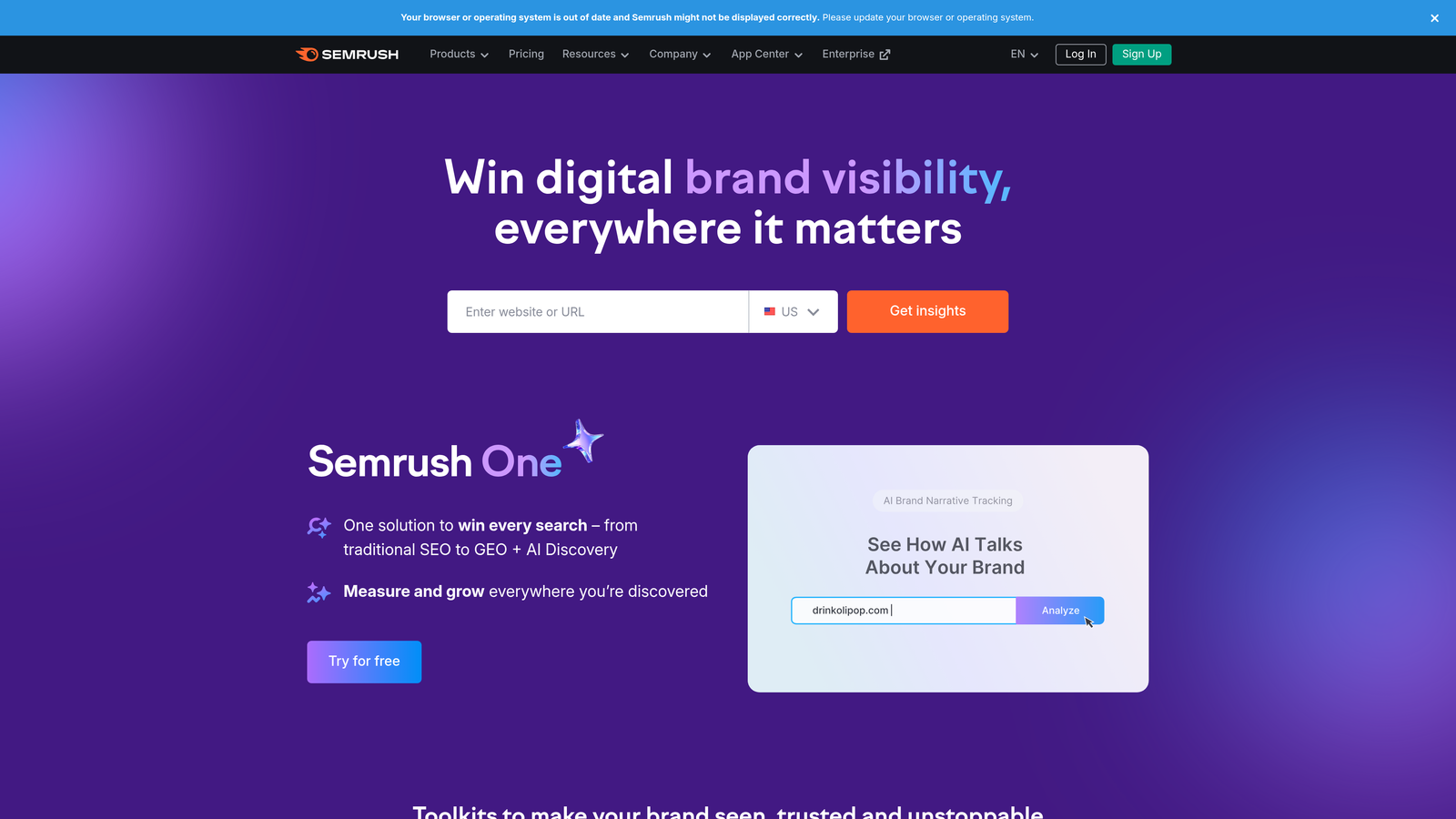
Keyword research tools such as SEMrush and Ahrefs can help identify potential negative keywords. These tools analyze search trends to suggest negative keywords and provide valuable data on keyword performance and competitive analysis. Utilizing these resources can proactively manage your negative keywords, ensuring that your ads reach the intended audience.
5. Avoiding Common Pitfalls in Negative Keyword Management
Best for: Outlining common mistakes in negative keyword management and how to avoid them.
Understanding common errors in negative keyword management is vital to avoid wasted budgets. Here are some pitfalls to watch out for:
Overly Restrictive Lists
Being too aggressive with negative keywords can limit your reach. Overly restrictive lists may block valuable traffic that could convert. Striking a balance between exclusion and reach is essential. For example, a business might exclude terms that could attract a relevant audience due to overly broad exclusions.
Neglecting to Track Changes
Failing to monitor keyword list updates can lead to missed opportunities. Regular tracking ensures that the list remains relevant and effective, while monitoring performance post-update helps understand the impact of changes. Without tracking, a company may fail to notice that a newly added negative keyword is adversely affecting its reach.
Ignoring Analytics
Not using data analytics to inform keyword decisions can hinder campaign success. Analytics can reveal trends and insights that are crucial for effective keyword management. Data-driven decisions lead to more successful campaigns, while relying solely on intuition can lead to poor keyword management.
Putting It All Together
In conclusion, effectively managing your negative keyword list is crucial for optimizing your PPC campaigns and ensuring efficient ad spend. Regular updates, seasonal adjustments, and performance analysis are vital practices that can significantly enhance your campaign performance. By leveraging the right tools and avoiding common pitfalls, you can create a more targeted and effective advertising strategy.
Now that you understand the importance of negative keywords, take action! Review your current keyword strategies, assess your negative keyword list, and start implementing the practices discussed. Your next step is to conduct a thorough audit of your negative keywords and make necessary adjustments. Don't let wasted ad spend affect your bottom line—optimize your campaigns today!
.svg)