
9 Best Tools for Search Term Analysis in 2026
Search term analysis is the difference between profitable PPC campaigns and wasted ad spend—it reveals which search queries drive conversions and which drain your budget. This guide covers the best tools for search term analysis in 2026, ranked by how quickly they help you take action: adding negative keywords, building new ad groups, and spotting high-value patterns across your accounts without drowning in spreadsheet data.


If you've ever exported a search terms report just to stare at thousands of rows wondering which queries are gold and which are burning your budget, you know the pain. Search term analysis separates profitable PPC campaigns from expensive guessing games—it's how you discover the exact phrases driving conversions and ruthlessly cut the ones wasting clicks. The right tool doesn't just show you data; it helps you act on it fast, whether that's adding negatives, building new keyword groups, or spotting patterns across accounts. Here are the top tools for search term analysis in 2026, ranked by how quickly they turn insights into action.
1. Keywordme
Best for: PPC managers who want to optimize search terms without leaving Google Ads
Keywordme is a Chrome extension that lives inside your Google Ads interface, turning search term optimization into one-click actions instead of spreadsheet gymnastics.

Where This Tool Shines
Most search term tools force you to export data, analyze it elsewhere, then come back to implement changes. Keywordme eliminates that entire workflow by embedding directly into the Search Terms Report. You're already looking at your queries—now you can click to add negatives, apply match types, or build new keyword groups without opening a single CSV file.
For agencies managing multiple clients, the multi-account support and team collaboration features mean your entire team works from the same interface with consistent processes. No more "which version of the spreadsheet are we using?" confusion.
Key Features
One-Click Negative Keywords: Add search terms to negative keyword lists directly from the Search Terms Report with a single click.
Instant Match Type Application: Apply broad match, phrase match, or exact match to new keywords without leaving the interface.
Keyword Clustering: Automatically group related search terms to identify themes and build structured campaigns faster.
Bulk Editing: Select multiple search terms and apply actions simultaneously—no manual row-by-row work.
Multi-Account Support: Switch between client accounts seamlessly with team permissions and shared workflows.
Best For
Solo marketers and agency teams who live in Google Ads and want to eliminate the export-analyze-import cycle. If you're optimizing search terms weekly (or daily), the time savings add up fast. Especially valuable for freelancers juggling multiple accounts who can't afford to spend hours on spreadsheet cleanup.
Pricing
$12/month per user with a 7-day free trial. Flat-rate pricing makes it predictable for agencies adding team members.
2. Google Ads Search Terms Report
Best for: Getting unfiltered data directly from your campaigns at zero cost
The Google Ads Search Terms Report is the native tool every advertiser uses—it shows you exactly which search queries triggered your ads and how they performed.

Where This Tool Shines
No third-party tool can match the directness of Google's own data. You're seeing the actual queries from your campaigns in real-time, with no API delays or sampling. The filtering options let you sort by impressions, clicks, conversions, or cost, making it easy to spot high-spend queries that aren't converting.
Because it's built into Google Ads, there's zero setup required. You already have access, and the data updates continuously as your campaigns run. For advertisers with straightforward workflows, this might be all you need.
Key Features
Real-Time Query Data: See search terms as they happen, not delayed through third-party APIs.
Performance Metrics Integration: View impressions, clicks, CTR, conversions, and cost per conversion alongside each query.
Built-In Filtering: Sort and filter by any metric to prioritize high-impact terms.
Export Capabilities: Download data for external analysis or record-keeping.
Free Access: Included with every Google Ads account at no additional cost.
Best For
Advertisers who prefer manual control and don't mind the export-analyze-implement workflow. If you're managing one or two small accounts and have time for spreadsheet analysis, the native report gives you everything you need without adding another subscription.
Pricing
Free with any Google Ads account.
3. SEMrush
Best for: Combining paid search term analysis with competitive keyword research
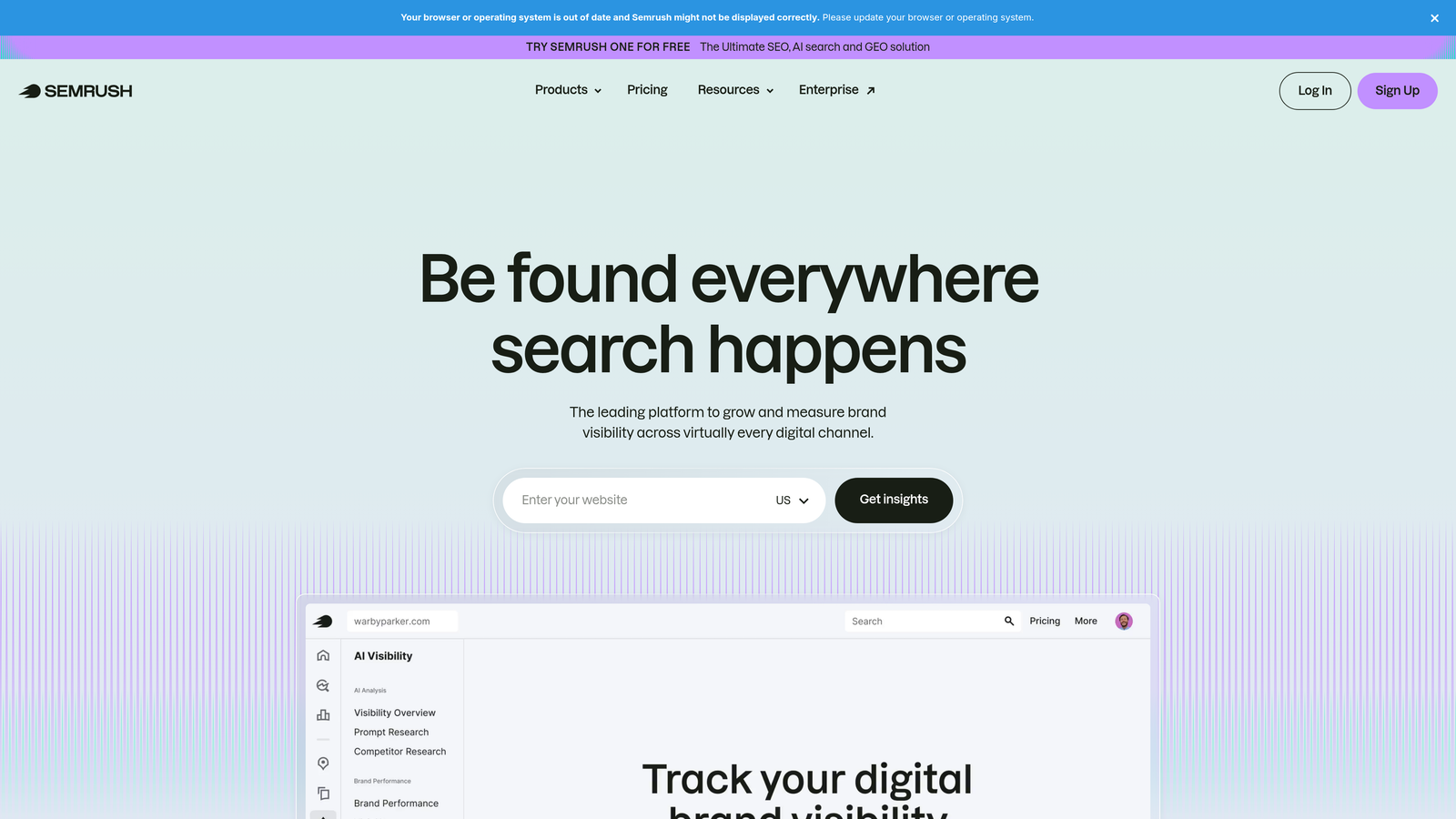
SEMrush is a comprehensive marketing platform that brings together PPC keyword research, competitor analysis, and organic search data in one dashboard.
Where This Tool Shines
SEMrush excels at showing you the bigger picture beyond your own campaigns. The keyword gap tool reveals which search terms your competitors are bidding on that you're missing, helping you expand into profitable territory you didn't know existed. Search intent classification helps you understand whether queries are informational, commercial, or transactional—critical for aligning ad copy and landing pages.
The historical trend data is especially valuable for seasonal businesses. You can see how search volume and competition fluctuate over time, helping you adjust bids and budgets before trends shift instead of reacting after the fact.
Key Features
Keyword Gap Analysis: Compare your keyword coverage against up to five competitors simultaneously.
Search Intent Classification: Automatically categorize keywords by user intent to improve targeting.
PPC Keyword Tool: Get CPC estimates and competition levels for new search terms before bidding.
Historical Trend Data: View search volume changes over months or years to spot seasonal patterns.
Organic and Paid Integration: See which keywords drive both paid and organic traffic for cross-channel strategy.
Best For
Marketers who need competitive intelligence alongside search term optimization. If you're building campaigns in competitive industries where knowing your rivals' keyword strategies matters, SEMrush delivers insights you can't get from Google Ads alone.
Pricing
Starts at $139.95/month for the Pro plan, with higher tiers for agencies and enterprises.
4. Optmyzr
Best for: Enterprise teams automating search term mining with custom rules
Optmyzr is a PPC management platform built around automation, with powerful search term analysis tools that apply rules-based logic to find patterns and recommend actions.

Where This Tool Shines
Optmyzr's N-gram analysis automatically identifies recurring word patterns in your search terms—like discovering that every query containing "free" or "cheap" converts poorly. Instead of manually reviewing thousands of queries, you get pattern-based insights that highlight what's working and what's not across entire accounts.
The one-click implementation of recommendations is a game-changer for large accounts. Optmyzr surfaces opportunities, you review them, and you apply changes in bulk without rebuilding campaigns manually. For agencies managing dozens of clients, this automation turns hours of work into minutes.
Key Features
Automated Search Term Mining: Custom rules continuously analyze new queries and flag optimization opportunities.
N-Gram Analysis: Detect recurring word patterns and themes across thousands of search terms.
One-Click Recommendations: Review suggested negative keywords, match type changes, and new keyword groups, then apply them instantly.
Multi-Account Dashboard: Manage search term optimization across multiple client accounts from a single interface.
Custom Automation Scripts: Build your own rules for search term handling based on performance thresholds.
Best For
Enterprise PPC teams and agencies managing large-scale accounts where manual search term review isn't feasible. If you're running campaigns with thousands of keywords and need automation to keep up, Optmyzr's rule-based approach scales efficiently.
Pricing
Starts at $249/month, with pricing increasing based on ad spend and number of accounts managed.
5. SpyFu
Best for: Uncovering competitors' most profitable search terms
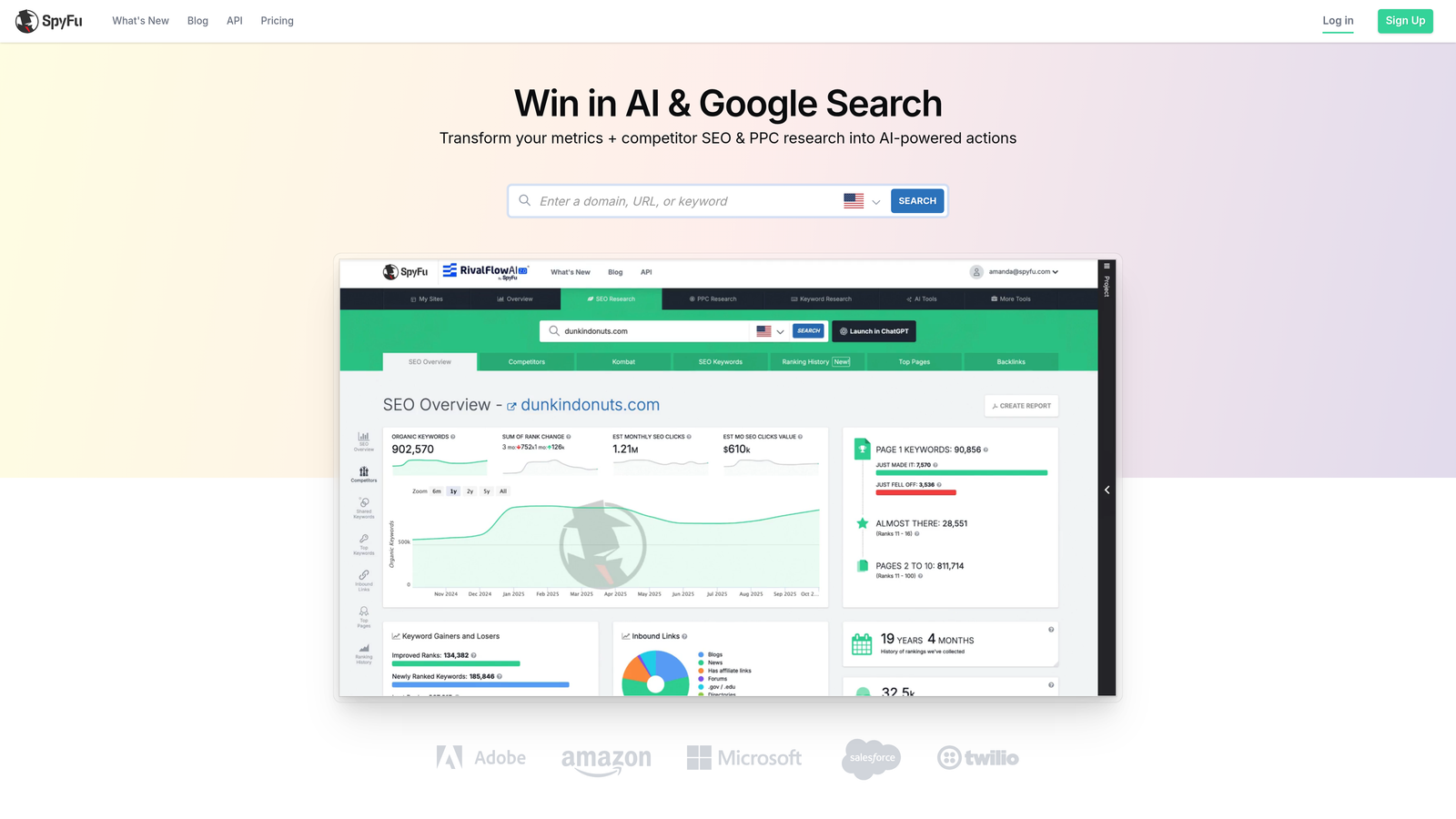
SpyFu specializes in competitive intelligence, showing you the exact keywords your competitors have been bidding on—sometimes going back years.
Where This Tool Shines
SpyFu's historical keyword data is unmatched. You can see which search terms a competitor tested and abandoned versus which ones they've consistently bid on for years. That consistency signals profitability—if they've been running the same keywords for 24 months, those queries are likely converting.
The ad copy analysis shows you how competitors structure their messaging for specific search terms, giving you a head start on writing your own ads. Instead of guessing what resonates, you see what's already working in your market.
Key Features
Competitor Keyword History: View years of search term data showing what competitors have bid on over time.
Most Profitable Keywords Identification: See which queries competitors invest the most budget in—a strong signal of profitability.
Ad Copy and Keyword Overlap: Analyze how competitors structure ads for specific search terms.
PPC Competitor Monitoring: Track when competitors start or stop bidding on specific keywords.
Keyword Grouping Suggestions: Get recommendations for organizing search terms into themed ad groups.
Best For
Competitive industries where understanding rival strategies gives you an edge. If you're entering a new market or trying to outmaneuver established competitors, SpyFu reveals the search terms worth targeting before you spend a dollar testing them yourself.
Pricing
Starts at $39/month for the Basic plan, with higher tiers offering deeper historical data and more competitor tracking.
6. Adalysis
Best for: Automated alerts for wasteful search terms and performance anomalies
Adalysis is a PPC auditing platform that continuously monitors your campaigns and alerts you to search term issues before they drain significant budget.

Where This Tool Shines
Adalysis excels at proactive monitoring. Instead of waiting until your weekly review to discover a rogue search term burned $500, you get alerts when performance thresholds are crossed. The pattern-based query analysis identifies search term groups causing problems—like noticing that all queries containing "tutorial" have high clicks but zero conversions.
The cross-campaign conflict detection is especially valuable for larger accounts. Adalysis flags when the same search term appears as both a keyword and a negative keyword across different campaigns, preventing the wasted spend that comes from internal competition.
Key Features
Automated Wasteful Search Term Detection: Get alerts when queries exceed cost thresholds without converting.
Pattern-Based Query Analysis: Identify recurring themes in underperforming search terms.
Custom Alert Thresholds: Set your own rules for when to be notified about search term performance.
Quality Score Optimization Insights: See how search term relevance impacts Quality Scores.
Cross-Campaign Search Term Conflicts: Detect when the same query is both targeted and negated across campaigns.
Best For
PPC managers who want automated monitoring instead of manual reviews. If you're managing accounts where budget can shift quickly or you don't have time for daily search term checks, Adalysis acts as an early warning system for problems.
Pricing
Starts at $149/month, with pricing scaling based on ad spend and number of accounts.
7. WordStream
Best for: Small businesses following guided optimization workflows
WordStream is a PPC platform designed around the "20-minute work week" concept—giving you guided recommendations for search term optimization without overwhelming you with data.

Where This Tool Shines
WordStream's guided approach is perfect for advertisers who aren't PPC experts. Instead of dumping raw search term data and expecting you to know what to do, it presents prioritized recommendations: "Add these 12 search terms as negative keywords" or "These 5 queries should become new keywords." The platform walks you through each decision with context about why it matters.
The performance grading and benchmarks help small business owners understand if their search term management is competitive. You get a grade comparing your account to similar businesses in your industry, highlighting specific areas for improvement.
Key Features
20-Minute Work Week Optimization: Guided workflow that prioritizes the highest-impact search term actions.
Guided Search Term Recommendations: Step-by-step suggestions for adding negatives and new keywords.
Negative Keyword Suggestions: Automated recommendations for queries to exclude based on performance.
Performance Grading and Benchmarks: Compare your search term management against industry standards.
Cross-Platform Ad Management: Manage Google Ads, Microsoft Ads, and Facebook Ads from one interface.
Best For
Small business owners and solo marketers who need guidance more than raw data. If you're not a full-time PPC specialist and want a tool that tells you exactly what to do next, WordStream's prescriptive approach removes the guesswork.
Pricing
Custom pricing based on ad spend and needs—contact WordStream for a quote.
8. Ahrefs
Best for: Leveraging massive keyword databases for PPC expansion
Ahrefs is primarily an SEO tool, but its keyword research capabilities are incredibly valuable for PPC search term analysis and campaign expansion.
Where This Tool Shines
Ahrefs' keyword database is enormous—billions of keywords with accurate search volumes and trend data. When you're analyzing search terms from your campaigns and want to explore related queries you might be missing, Ahrefs shows you variations and long-tail keywords that Google's Keyword Planner often overlooks.
The search intent classification helps you understand whether a query is informational (likely low conversion) or commercial (high purchase intent). This context prevents you from bidding aggressively on search terms that drive traffic but rarely convert.
Key Features
Massive Keyword Database: Billions of keywords with search volumes across multiple countries and languages.
Search Intent Classification: Understand whether queries signal informational, navigational, commercial, or transactional intent.
Keyword Difficulty Scoring: See how competitive each search term is in both organic and paid search.
SERP Feature Analysis: Identify which queries trigger shopping ads, local packs, or other SERP elements.
Content Gap Identification: Find search terms your competitors rank for that you don't target.
Best For
Marketers running integrated SEO and PPC strategies who want deep keyword research capabilities. If you're building comprehensive content and advertising strategies around the same search terms, Ahrefs gives you the data to align both channels effectively.
Pricing
Starts at $129/month for the Lite plan, with higher tiers offering more keyword tracking and historical data.
9. Channable
Best for: E-commerce advertisers optimizing product-level search terms
Channable is a feed management platform that automates search term optimization for product ads across Google Shopping, Amazon, and other marketplaces.
Where This Tool Shines
For e-commerce advertisers running product campaigns, Channable connects search term performance directly to your product feed. It automatically maps high-performing search queries to specific products, then adjusts titles, descriptions, and keywords in your feed to capture more of that traffic.
The automated negative keyword rules work at the product level—if certain search terms consistently underperform for a category, Channable applies negatives across all relevant products automatically. This prevents you from manually managing negatives for thousands of SKUs.
Key Features
Product Feed-Based Keyword Automation: Automatically optimize product titles and descriptions based on search term performance.
Dynamic Search Term Mapping: Connect high-performing queries to specific products in your catalog.
Automated Negative Keyword Rules: Apply negatives at scale across product categories based on performance thresholds.
Multi-Channel Product Advertising: Manage search term optimization across Google Shopping, Amazon, and other marketplaces.
Performance-Based Keyword Adjustments: Automatically update product feed keywords when search term data shows opportunities.
Best For
E-commerce businesses with large product catalogs running Shopping campaigns. If you're managing hundreds or thousands of products and need automated search term optimization that scales, Channable handles the complexity without manual product-by-product management.
Pricing
Starts at €59/month, with pricing increasing based on number of products and channels managed.
Making the Right Choice
The best search term analysis tool depends entirely on where you work and what slows you down. If you're constantly switching between Google Ads and spreadsheets, Keywordme eliminates that friction by keeping everything in-interface. Enterprise teams managing massive accounts will get more value from Optmyzr's automation and N-gram analysis. Competitive researchers should start with SpyFu to see what's already working in their market before building campaigns from scratch.
For budget-conscious beginners, the Google Ads Search Terms Report gives you everything you need—you'll just spend more time manually analyzing and implementing changes. SEMrush and Ahrefs shine when you're combining PPC with SEO and need keyword research that spans both channels. Adalysis is perfect for teams who want automated monitoring instead of scheduled reviews. WordStream works best for small business owners who need guided recommendations rather than raw data dumps.
E-commerce advertisers with large catalogs should seriously consider Channable for product-level automation that scales beyond what manual management can handle. The key is matching the tool to your workflow—the fastest tool is the one that removes the most friction from what you're already doing.
Most of these platforms offer free trials, so test the ones that match your use case. Start with the native Search Terms Report to understand your baseline workflow, then add tools that eliminate your specific bottlenecks. Start your free 7-day trial of Keywordme if you want to see how in-interface optimization compares to exporting data—you'll know within a week if eliminating spreadsheets saves you meaningful time.
.svg)