
9 Best PPC Tools for Marketers in 2026
Discover the best PPC tools for marketers in 2026 that eliminate spreadsheet chaos and streamline campaign management through seamless automation and integration. This guide covers nine essential platforms that help digital advertisers make data-driven decisions faster, reduce wasted ad spend, and optimize campaigns without constant tool-switching—whether you're managing Google Ads search terms or coordinating multiple client accounts across different time zones.


Running profitable PPC campaigns in 2026 means making faster decisions with better data. The problem? Most marketers are still drowning in spreadsheets, toggling between tools, and wasting hours on tasks that should take minutes. The best PPC tools don't just automate—they integrate seamlessly into your workflow, eliminate context-switching, and turn manual optimization into intuitive clicks. Whether you're optimizing search terms at 2 AM or managing client accounts across time zones, the right stack makes all the difference.
Here are the top PPC tools marketers are actually using to scale campaigns, reduce wasted spend, and reclaim their time.
1. Keywordme
Best for: Google Ads managers who want to optimize search terms without leaving the platform.
Keywordme is a Chrome extension that lives directly inside your Google Ads Search Terms Report, letting you clean up campaigns, add negatives, and build keyword lists with one-click actions—no spreadsheet exports required.

Where This Tool Shines
Most PPC optimization happens in the Search Terms Report, but Google's native interface makes it painfully slow. Keywordme fixes that by adding inline controls right where you're already working. You can remove junk search terms, apply match types, and create new keyword groups without ever opening a spreadsheet or switching tabs.
What makes it especially powerful is the speed. Tasks that used to take 20 minutes—like reviewing 500 search terms, flagging negatives, and updating campaigns—now take two. If you're managing multiple accounts or running agency workflows, that time savings compounds fast.
Key Features
One-Click Junk Removal: Flag and remove irrelevant search terms instantly from the report view.
In-Interface Negative Management: Add negatives to campaigns or ad groups without leaving the Search Terms Report.
Bulk Match Type Application: Apply exact, phrase, or broad match modifiers to multiple keywords at once.
Keyword Clustering: Automatically group related search terms for faster campaign structuring.
Multi-Account Support: Switch between client accounts seamlessly with team collaboration features built in.
Best For
Solo marketers managing a handful of Google Ads accounts, agency teams optimizing multiple clients, and anyone who spends serious time in the Search Terms Report. If you're tired of exporting CSVs just to clean up search terms, this is your tool.
Pricing
$12/month per user with a 7-day free trial. Flat-rate pricing means no surprises as your ad spend scales.
2. Optmyzr
Best for: Agencies and enterprise teams needing advanced automation and white-label reporting.
Optmyzr is a comprehensive PPC management platform built around rule-based automation, one-click optimizations, and customizable reporting dashboards for teams managing high-spend accounts.

Where This Tool Shines
Optmyzr's Rule Engine is where the magic happens. You can set up custom automation rules that monitor performance, adjust bids, pause underperforming ads, or send alerts when budgets hit certain thresholds. It's like having a junior PPC manager running 24/7 quality checks.
The one-click optimizations are also a time-saver. Instead of manually reviewing every campaign element, Optmyzr surfaces quick wins—like pausing duplicate keywords or adjusting bids on high-converting terms—that you can approve or reject with a single click. For agencies, the white-label reporting means you can deliver client dashboards that look professionally branded without building them from scratch.
Key Features
Rule Engine: Build custom automation rules for bid adjustments, budget alerts, and performance monitoring.
One-Click Optimizations: Review and apply suggested improvements across campaigns instantly.
Shopping Campaign Tools: Manage product feeds, bidding strategies, and negative keywords for ecommerce accounts.
Budget Pacing: Track spend velocity and get alerts when campaigns are under or over-pacing.
White-Label Reporting: Generate client-ready dashboards with your agency branding.
Best For
Agencies managing multiple client accounts, enterprise teams with complex automation needs, and marketers who want to reduce manual bid management without giving up control.
Pricing
Starts at $249/month. Pricing scales with the number of accounts and features you need.
3. WordStream
Best for: Small businesses and agencies looking for guided optimization with minimal time investment.
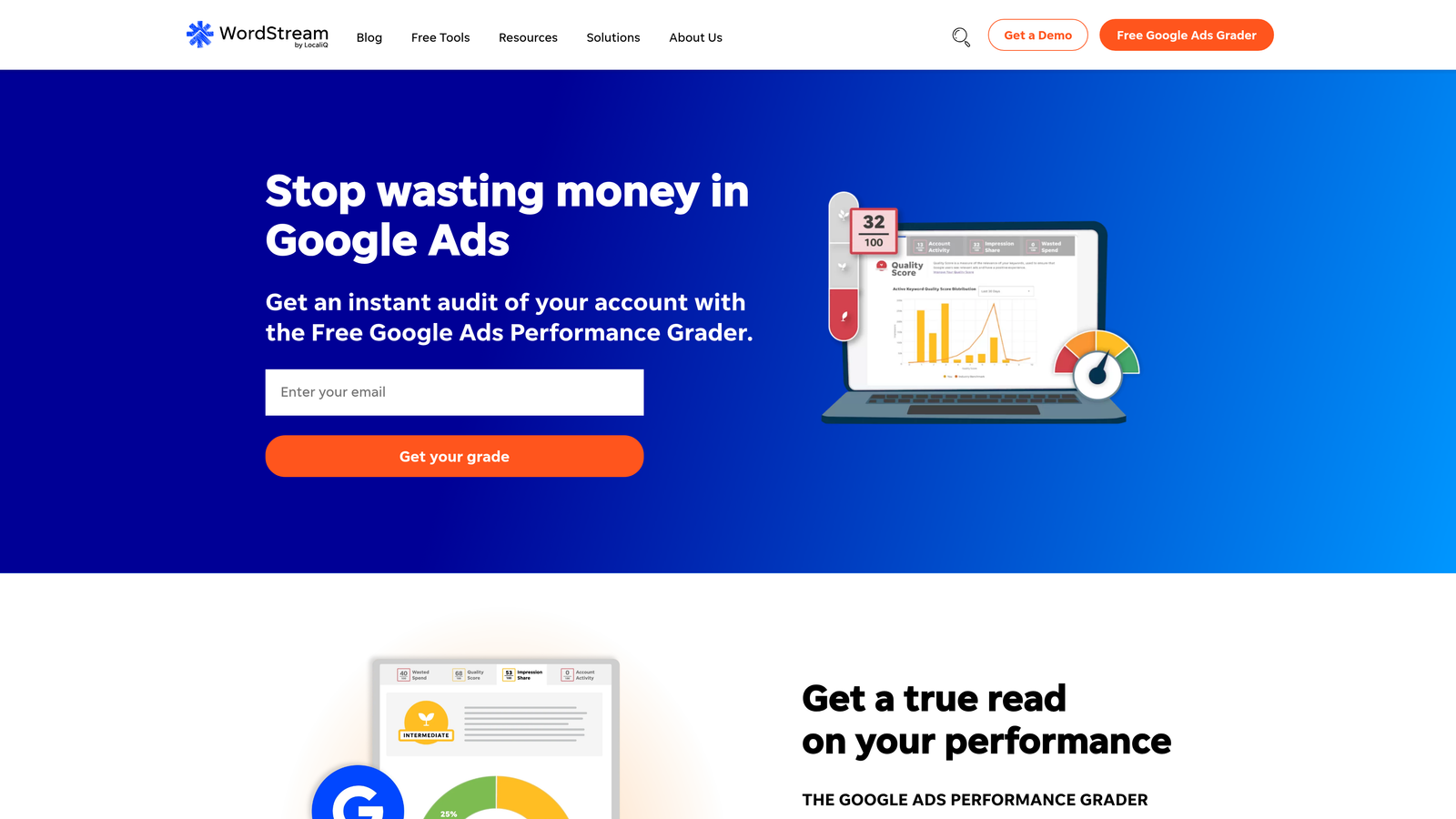
WordStream is a PPC management platform designed around the 20-Minute Work Week methodology, delivering prioritized alerts and recommendations so you can optimize campaigns efficiently without living in dashboards.
Where This Tool Shines
WordStream's core philosophy is that most marketers don't have hours to spend on PPC every day. The 20-Minute Work Week alerts surface the highest-impact optimizations first—things like pausing wasted spend, adding high-converting keywords, or adjusting bids on top performers. You get a prioritized to-do list instead of drowning in data.
The cross-platform management is another strength. You can run Google Ads, Microsoft Ads, and Meta campaigns from one dashboard, which is especially useful if you're managing omnichannel campaigns for clients. The performance grader tools also help with quick account audits, making it easy to spot issues before they burn budget.
Key Features
20-Minute Work Week Alerts: Prioritized optimization recommendations delivered weekly.
Cross-Platform Management: Manage Google, Meta, and Microsoft campaigns from one interface.
Performance Grader: Free account audit tool that identifies quick wins and problem areas.
Smart Budget Recommendations: Automated suggestions for reallocating budget to high-performing campaigns.
Landing Page Optimization: Built-in tips and tools for improving post-click conversion rates.
Best For
Small business owners managing their own PPC, agencies with lean teams, and marketers who want structured guidance without needing to be PPC experts.
Pricing
Custom pricing based on your monthly ad spend. Contact their sales team for a quote.
4. SpyFu
Best for: Competitive research and discovering profitable keywords your competitors are bidding on.
SpyFu specializes in competitive intelligence, giving you access to historical ad data, competitor keyword lists, and estimated ad spend so you can reverse-engineer successful campaigns.

Where This Tool Shines
SpyFu's real power is historical visibility. You can see which keywords competitors have been bidding on for years, track changes in their ad copy, and estimate how much they're spending. This is incredibly useful when entering a new market or trying to understand why a competitor is dominating certain search terms.
The negative keyword suggestions are also underrated. SpyFu analyzes competitor data to identify search terms they're likely excluding, which can save you from wasting budget on the same junk queries. It's like getting a head start on search term cleanup before you even launch campaigns.
Key Features
Competitor Ad History: View years of historical ad copy and keyword data for any domain.
PPC Keyword Research: Discover profitable keywords based on competitor bidding patterns.
Ad Copy Analysis: See which ad variations competitors are testing and how long they've run them.
Negative Keyword Suggestions: Identify search terms competitors are likely excluding to avoid wasted spend.
SERP Analysis: Track who's bidding on specific keywords and how rankings shift over time.
Best For
Marketers launching campaigns in competitive verticals, agencies building keyword strategies for new clients, and anyone who wants to learn from competitor successes and failures.
Pricing
Starts at $39/month for basic plans. Higher tiers unlock more historical data and competitor tracking.
5. SEMrush PPC Toolkit
Best for: Marketers who want integrated SEO and PPC insights in one platform.
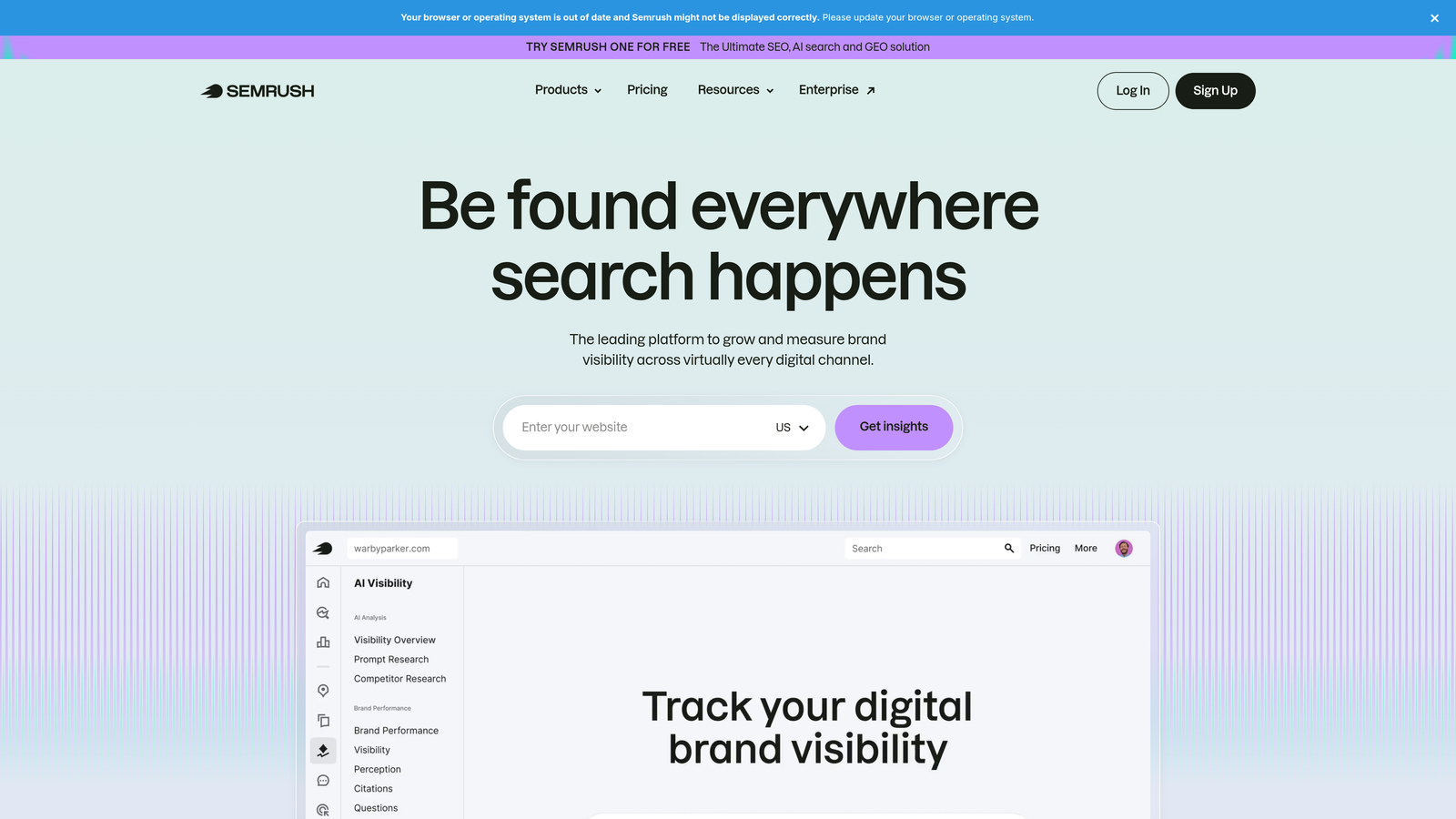
SEMrush is an all-in-one marketing suite with robust PPC tools including keyword research, ad copy creation, competitor tracking, and cross-channel campaign insights that connect paid and organic strategies.
Where This Tool Shines
The biggest advantage of SEMrush is the integration. You can research PPC keywords, analyze competitor ads, and see how paid campaigns align with organic rankings—all from one dashboard. This is especially valuable if you're running both SEO and PPC, since you can identify gaps where paid search can fill organic weaknesses.
The Ad Builder tool is also surprisingly useful. It generates ad copy suggestions based on competitor analysis and keyword data, which speeds up the creative process when you're launching new campaigns. For agencies managing clients across SEO and PPC, having everything in one platform reduces tool sprawl and makes reporting cleaner.
Key Features
PPC Keyword Tool: Research keywords with CPC data, search volume, and competition metrics.
Ad Builder: Generate ad copy suggestions based on keyword and competitor analysis.
Competitor Ad Tracking: Monitor which ads competitors are running and how they change over time.
Position Tracking: Track both paid and organic rankings for target keywords in one view.
Integrated SEO + PPC Insights: Identify opportunities where paid campaigns can support organic strategies.
Best For
Marketers managing both SEO and PPC, agencies offering full-funnel services, and teams who want to reduce the number of tools in their stack.
Pricing
Starts at $139.95/month, which includes the full SEMrush suite (not just PPC tools).
6. Adalysis
Best for: Ad testing, quality score optimization, and automated performance monitoring.
Adalysis is a specialized platform focused on ad testing analysis, quality score tracking, and automated alerts that help you catch performance issues before they waste budget.

Where This Tool Shines
Adalysis automates the tedious parts of ad testing. Instead of manually tracking which ad variations are winning, Adalysis analyzes performance data and tells you which ads to pause, which to scale, and which need more data. The statistical significance calculations take the guesswork out of test results.
The quality score tracking is also a standout feature. Adalysis monitors quality scores at the keyword level and provides specific recommendations for improving them—like adjusting ad copy relevance or improving landing page experience. For accounts with thousands of keywords, this level of automated monitoring is a game-changer.
Key Features
Automated Ad Testing: Analyze ad performance and get recommendations on which variations to pause or scale.
Quality Score Tracking: Monitor quality scores at the keyword level with actionable improvement suggestions.
N-Gram Analysis: Identify common patterns in search terms to uncover new keyword opportunities or negatives.
Automated Alerts: Get notified when campaigns hit performance thresholds or budgets pace incorrectly.
Multi-Account Dashboard: Manage alerts and optimizations across multiple client accounts from one interface.
Best For
Agencies running continuous ad tests for clients, marketers obsessed with quality score optimization, and teams managing high-volume accounts where manual monitoring isn't scalable.
Pricing
Starts at $99/month. Pricing scales based on the number of accounts and ad spend managed.
7. Google Ads Editor
Best for: Bulk editing and offline campaign management across Google Ads accounts.
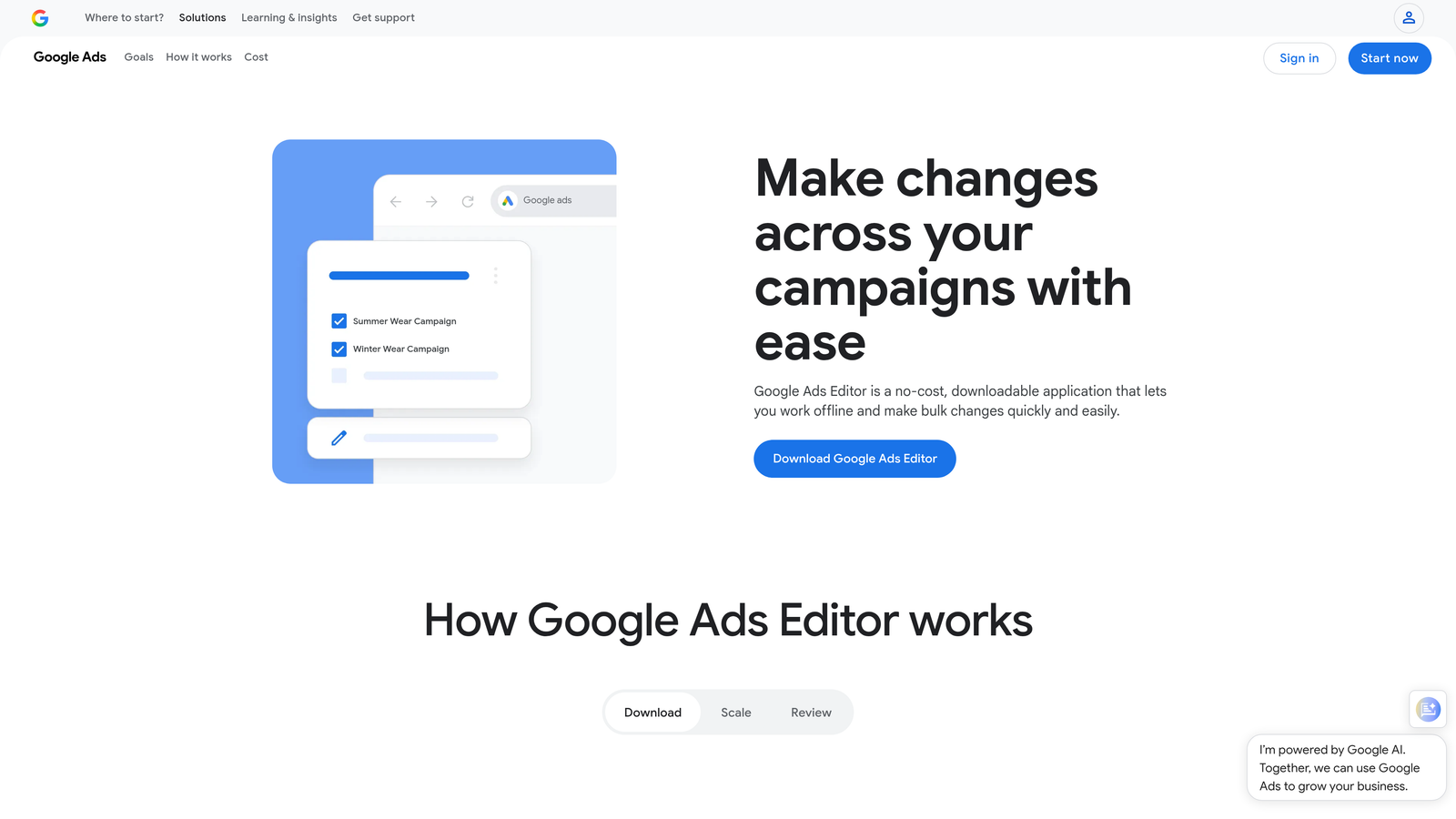
Google Ads Editor is a free desktop application from Google that lets you download campaigns, make bulk edits offline, and push changes back to your account—all without needing an internet connection.
Where This Tool Shines
Google Ads Editor is unbeatable for bulk changes. Need to update 500 ad headlines? Shift match types across an entire campaign? Copy campaign structures between accounts? Editor handles all of this faster than the web interface ever could.
The offline functionality is also underrated. You can download campaigns, make edits on a plane or in a coffee shop with spotty Wi-Fi, and upload changes when you're back online. The find-and-replace feature alone saves hours when you need to update URLs, phone numbers, or brand messaging across hundreds of ads.
Key Features
Bulk Editing: Make mass changes to campaigns, ad groups, keywords, and ads in seconds.
Offline Management: Download campaigns and work on them without an internet connection.
Copy and Paste Between Accounts: Duplicate campaign structures across multiple accounts instantly.
Find and Replace: Update URLs, phone numbers, or copy elements across thousands of ads at once.
Draft and Review: Preview all changes before posting them live to your account.
Best For
Anyone managing Google Ads accounts, especially marketers who need to make large-scale updates or work across multiple accounts regularly. It's free, so there's no reason not to have it installed.
Pricing
Free.
8. Channable
Best for: Ecommerce marketers managing product feeds and dynamic ad campaigns across multiple platforms.
Channable is a feed management and PPC automation platform designed for ecommerce, enabling dynamic ad creation, product feed optimization, and multi-marketplace campaign management from one interface.
Where This Tool Shines
Channable's feed optimization is purpose-built for ecommerce. You can manipulate product data, create custom rules for different marketplaces, and automatically generate ad copy based on product attributes. This is especially powerful if you're running Shopping campaigns across Google, Meta, and Amazon simultaneously.
The dynamic text ad generation is also a time-saver. Instead of manually writing ads for hundreds of products, Channable pulls product titles, prices, and attributes from your feed to create ads automatically. For large catalogs, this turns weeks of work into hours.
Key Features
Product Feed Optimization: Customize product data for different platforms with rule-based transformations.
Dynamic Text Ad Generation: Automatically create ads from product feed attributes.
Multi-Marketplace Support: Manage campaigns across Google Shopping, Meta, Amazon, and more from one dashboard.
Automated Campaign Creation: Build campaigns dynamically based on product categories, prices, or inventory levels.
Performance Analytics: Track campaign performance across channels with unified reporting.
Best For
Ecommerce brands with large product catalogs, agencies managing Shopping campaigns for multiple clients, and marketers running omnichannel product ads.
Pricing
Starts at €59/month. Pricing scales based on the number of products and integrations.
9. Marin Software
Best for: Enterprise teams managing cross-channel advertising at scale with advanced attribution modeling.
Marin Software is an enterprise-grade platform for unified campaign management, automated bidding, and cross-channel reporting across search, social, and display advertising.
Where This Tool Shines
Marin is built for complexity. If you're running campaigns across Google Ads, Microsoft Ads, Meta, LinkedIn, and display networks simultaneously, Marin gives you a single dashboard to manage bidding strategies, budgets, and reporting. The automated bidding algorithms are especially powerful for large accounts where manual bid adjustments aren't scalable.
The attribution modeling is another standout feature. Marin tracks customer journeys across channels and assigns credit to touchpoints based on custom attribution models. This is critical for enterprise teams trying to understand how paid search, social, and display work together to drive conversions.
Key Features
Cross-Channel Management: Manage search, social, and display campaigns from one unified platform.
Automated Bidding: Machine learning algorithms optimize bids across channels based on performance goals.
Unified Reporting: Consolidated dashboards that show performance across all advertising channels.
Budget Forecasting: Predictive analytics that help plan spend allocation across campaigns.
Attribution Modeling: Track multi-touch customer journeys and assign conversion credit based on custom models.
Best For
Enterprise marketing teams managing six-figure monthly ad budgets, agencies with Fortune 500 clients, and marketers who need advanced attribution and cross-channel optimization at scale.
Pricing
Custom enterprise pricing. Contact their sales team for a quote based on your ad spend and feature requirements.
Making the Right Choice
The best PPC tool for you depends on where you spend your time and what's slowing you down. If you're optimizing Google Ads search terms daily, Keywordme eliminates the spreadsheet shuffle and keeps you in-platform. If you're managing multiple clients and need automation at scale, Optmyzr or WordStream deliver the rule-based workflows that save hours every week. For competitive research, SpyFu gives you the historical data to reverse-engineer what's working in your market.
Solo marketers and small teams benefit most from tools that integrate directly into existing workflows—extensions like Keywordme or free tools like Google Ads Editor. Agencies need multi-account management, white-label reporting, and collaboration features, which is where Optmyzr, WordStream, and Adalysis shine. Enterprise teams managing cross-channel budgets at scale should look at Marin Software for unified reporting and advanced attribution.
If you're running ecommerce campaigns with large product catalogs, Channable's feed management and dynamic ad creation will save you weeks of manual work. And if you're trying to understand what competitors are bidding on, SpyFu or SEMrush give you the intelligence to make smarter keyword decisions from day one.
The common thread across all these tools? They eliminate manual tasks that don't scale. The best PPC managers aren't spending hours in spreadsheets—they're using tools that surface insights faster, automate repetitive work, and let them focus on strategy instead of execution.
If you're managing Google Ads campaigns and tired of exporting search terms just to clean them up, start your free 7-day trial of Keywordme and see how much faster optimization gets when you're working directly in-platform. No spreadsheets, no switching tabs, just quick, seamless optimization for $12/month after your trial ends.
.svg)