
8 Best Negative Keyword Tools for Google Ads in 2026
This guide compares the 8 best negative keyword tools for Google Ads, from free native reports to paid automation platforms, so advertisers can quickly find and exclude wasted-spend search terms. Each option is evaluated on real day-to-day workflow fit rather than pricing-page feature lists.</summary> </invoke>


If you manage Google Ads accounts, you already know the drill: you open the Search Terms Report, scroll through a wall of queries, and try to figure out which ones are burning budget without converting. Doing that well, and doing it fast, usually comes down to which tool you use to find and exclude those terms. Some options work right inside Google Ads, some pull your data into a separate dashboard, and some are free but require you to build the automation yourself. This list compares eight options for finding, adding, and managing negative keywords, focused on how each one fits into your actual day-to-day workflow rather than just what features it lists on a pricing page.
Quick Comparison
- Keywordme: best for advertisers who want to clean up search terms in real time inside Google Ads; starting at $12/month per user; works directly inside the live Search Terms Report so you never open a spreadsheet.
- Google Ads Native Search Terms Report & Negative Keyword Lists: best for solo advertisers or small budgets not ready to pay for a tool; free; built into every account with zero setup.
- Optmyzr: best for agencies wanting negatives bundled with broader automation; quote-based; n-gram grouping surfaces recurring wasteful word patterns account-wide.
- Adalysis: best for accounts wanting continuous automated monitoring; quote-based; scheduled audits catch new problem terms without manual check-ins.
- WordStream Advisor by LocaliQ: best for small businesses wanting a guided checklist; quote-based; packages negative cleanup into a single weekly workflow.
- PPC Samurai: best for advertisers wanting a dedicated negative keyword tool; quote-based; built solely around search term review and exclusions.
- Free Google Ads N-gram and Negative Keyword Scripts: best for technical teams wanting free automation; free; runs inside Google Ads Scripts with no subscription.
- PPC Ninja: best for teams already using PPC Ninja tools; quote-based; audits existing negative lists for overlaps and gaps.
1. Keywordme
Keywordme is a Chrome extension that sits directly on top of the Google Ads Search Terms Report. Instead of exporting search term data to a spreadsheet, sorting it, and manually adding exclusions back into your account, you work through the list where it already lives and take action with a click.
What sets it apart on this list is that it doesn't ask you to change your workflow at all. Everything happens in the interface you're already using to review campaigns, which cuts out the export-review-reimport cycle that eats up time for solo advertisers and agency account managers alike.
- Removes junk search terms from the report with a single click instead of a manual exclusion process
- Builds negative keyword lists directly inside the report as you review, without switching to a separate list manager
- Applies match types in bulk so you're not editing keywords one at a time
- Groups related terms through keyword clustering to help you spot patterns faster
- Supports multi-account and team access, useful for agencies managing several client accounts at once
Setup is minimal: install the Chrome extension, connect your Google Ads account, and it appears inside your existing Search Terms Report. There's no separate dashboard to learn, which makes it easy for a single marketer to run day-to-day, though agencies can also use the team features to keep multiple accounts organized under one login.
The tradeoff is that it's a Chrome extension built specifically for the Google Ads interface, not a standalone reporting platform. If you need a dashboard that lives outside Google Ads for cross-channel reporting or offline analysis, this isn't built for that.
As of 2026, Keywordme is priced at a flat $12 per month per user, with a 7-day free trial. Since it's a per-user rate, cost scales with how many people on your team need seats, not with ad spend or account count. Check the current pricing page before committing, since SaaS pricing shifts.
Best for: Advertisers who want to clean up search terms in real time while reviewing campaigns, without leaving Google Ads or opening a spreadsheet.
2. Google Ads Native Search Terms Report & Negative Keyword Lists
Google Ads comes with its own built-in tools for this exact job: the Search Terms Report, which shows the actual queries that triggered your ads, and Negative Keyword Lists, which let you apply exclusions across multiple campaigns at once rather than one at a time. Per Google Ads Help, shared negative keyword lists can be attached to any number of campaigns, so an update to the list applies everywhere it's used.
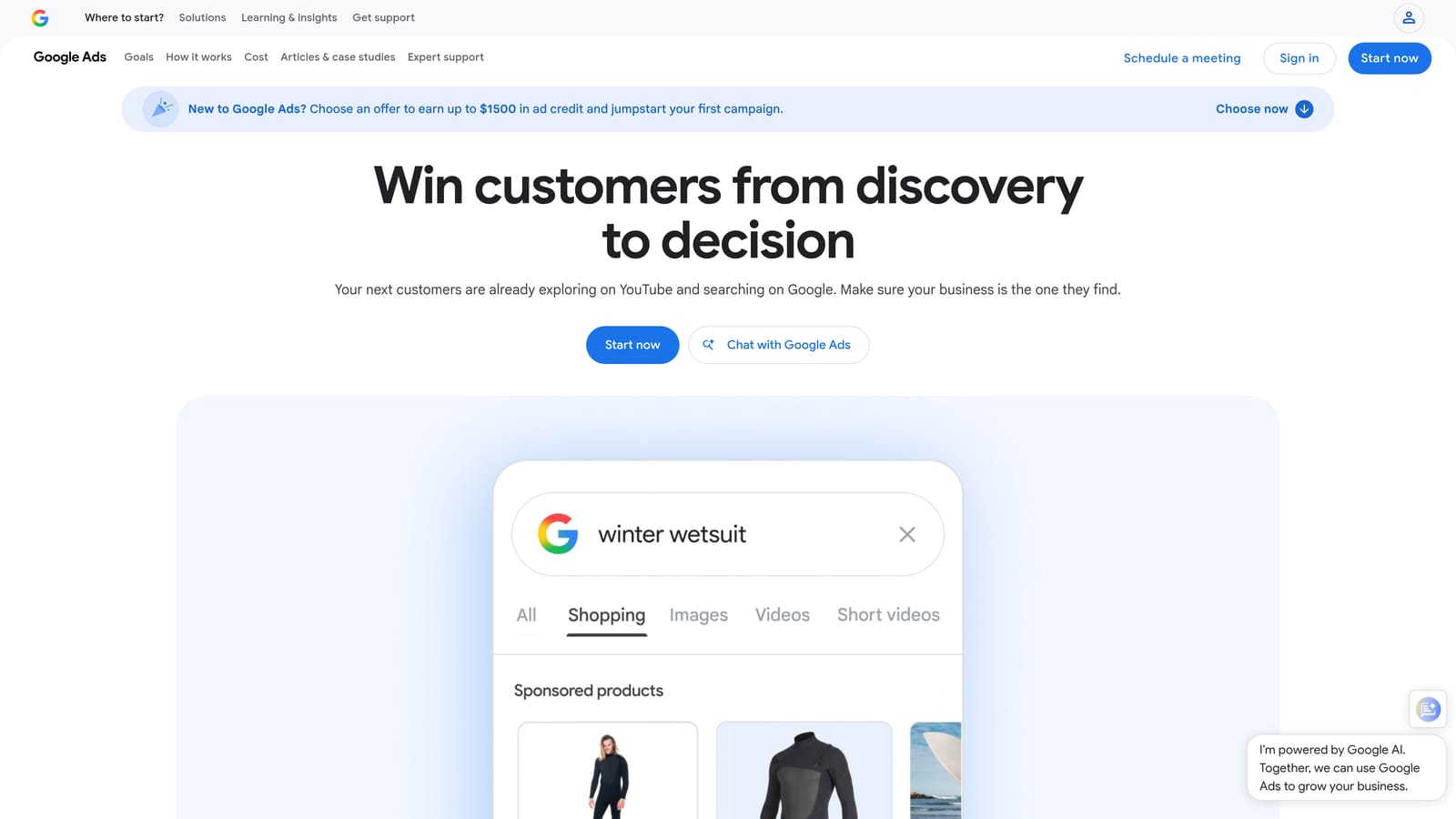
The distinct advantage here is cost and access. There's nothing to buy, nothing to install, and nothing to connect. If you have a Google Ads account, you already have these tools.
- Shows the exact search terms (what people actually typed) that triggered your ads, distinct from the keywords you're bidding on
- Lets you build shared negative keyword lists that apply across multiple campaigns at once
- Supports negative keywords at the campaign or ad group level for more granular control
- Requires no subscription or setup fee since it's part of the base product
Anyone with access to the account can use these features, so there's no learning curve beyond understanding the Google Ads interface itself. That said, it's entirely manual. Google doesn't flag which search terms are wasting spend or suggest exclusions for you; you have to scan the report yourself and decide what to add.
That manual burden is the real limitation. For accounts with a lot of traffic, scrolling through hundreds or thousands of search terms by eye becomes a genuine time sink, and it's easy to miss patterns that a dedicated tool would surface automatically.
This option is free, since it's included with any Google Ads account.
Best for: Solo advertisers or small budgets who aren't ready to pay for a dedicated tool yet.
3. Optmyzr
Optmyzr is a full PPC management platform, and negative keyword work is one piece of a much larger toolkit built around rule-based automation.
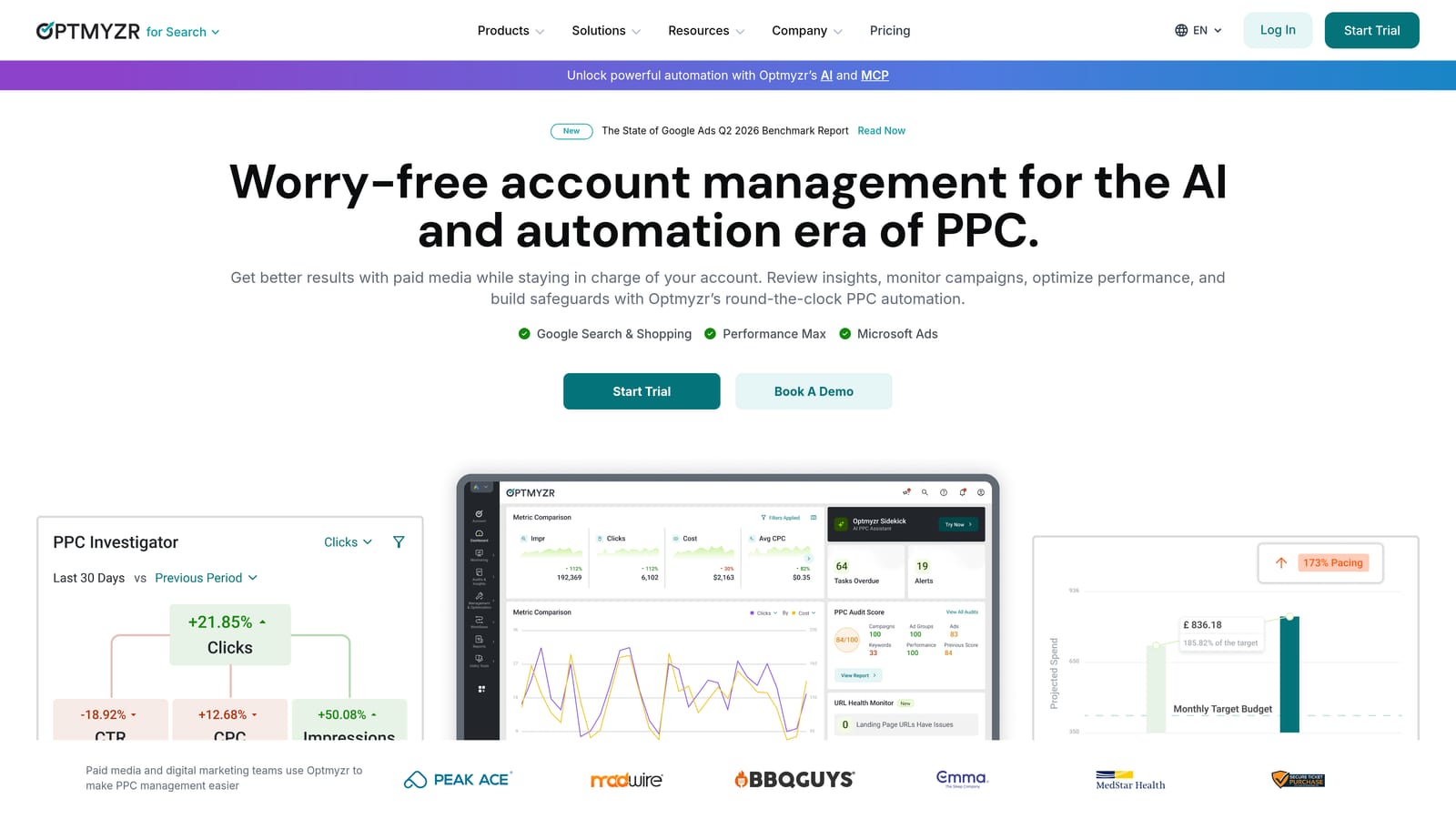
Its standout feature for this specific job is n-gram analysis, which breaks search terms down into individual words and word combinations to spot recurring patterns of waste. Instead of reviewing one search term at a time, you can see that a particular word shows up across dozens of non-converting queries and exclude it in one move.
- Runs n-gram analysis on search terms to detect word-level waste patterns across the whole account
- Lets you set up rule-based automations for recurring negative keyword tasks so they run on a schedule
- Provides cross-account reporting, useful for agencies managing several clients
- Extends beyond negatives into bid and budget management, so the same platform covers more of your optimization work
Optmyzr connects with Google Ads, Microsoft Ads, and other major ad platforms according to vendor documentation, and it's designed to be run by a PPC manager or agency team rather than a single set-it-and-forget-it install. Expect a real onboarding period to configure the rules and reports the way you want them.
The catch is that you're paying for a full suite. If negative keyword management is the only thing you need, Optmyzr brings a lot of extra weight (and cost) along with it.
Pricing is quote-based and tied to managed ad spend; check the current tiers on their site since these change.
Best for: Agencies that want negative keyword workflows bundled with broader account automation.
4. Adalysis
Adalysis takes an audit-first approach. Rather than being a tool you sit down and use for an active review session, it runs recurring checks on your account in the background and alerts you when something needs attention, including search terms worth excluding.
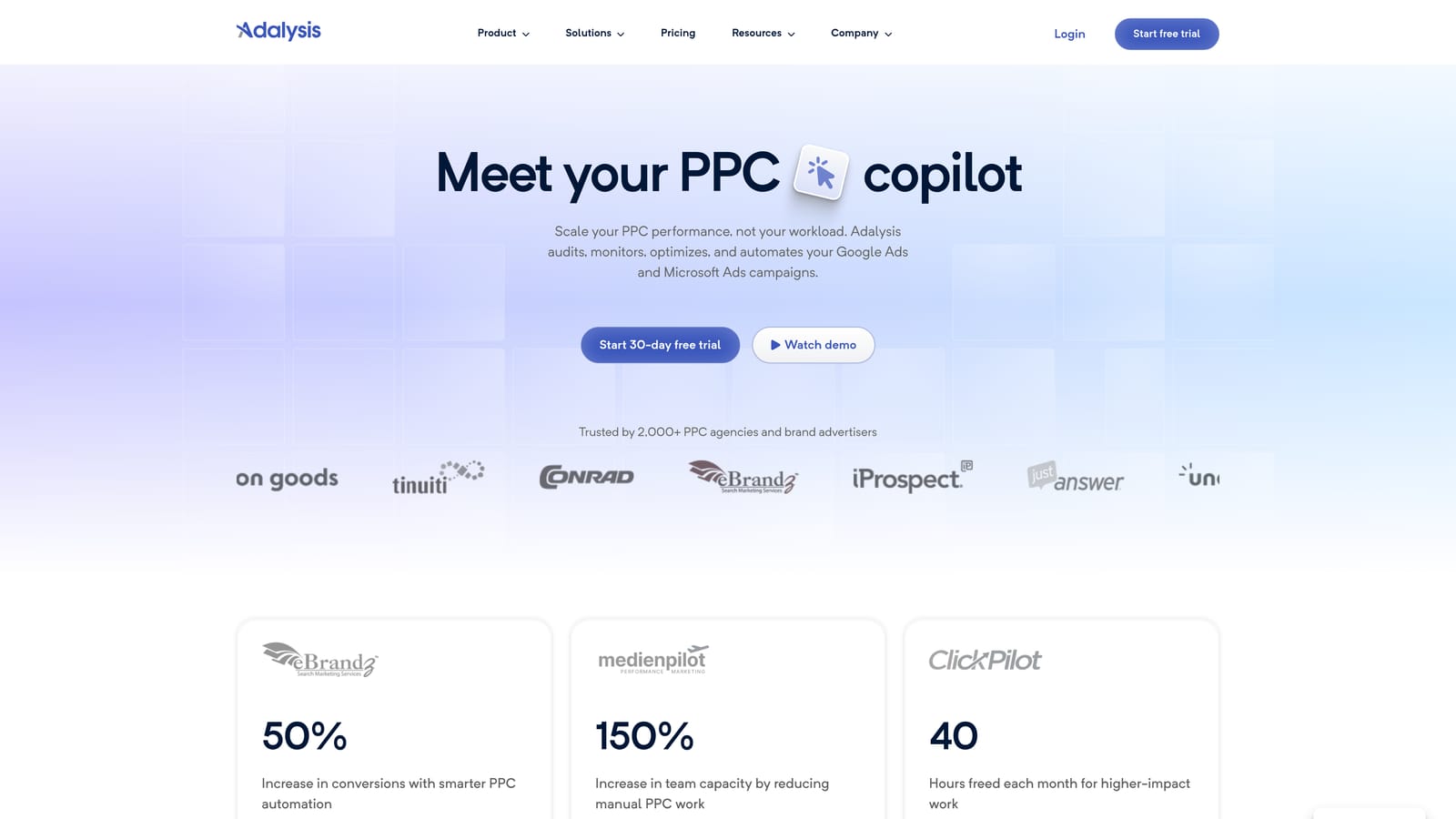
What makes it different here is the continuity. It's built to flag new problem search terms as they emerge, so you're not relying on remembering to check the report every week.
- Runs automated recurring audits across your account without manual triggering
- Sends alerts when spend spikes on search terms that aren't converting
- Monitors ad quality and Quality Score alongside negative keyword opportunities
- Keeps a historical record of flagged terms so you can track what's been addressed
Adalysis integrates with Google Ads and Microsoft Ads, and it's meant to run continuously with a PPC manager checking in on alerts rather than performing manual reviews from scratch. That makes setup mostly about configuring thresholds once and then letting the monitoring layer do its job.
The limitation is baked into the design: it's built for ongoing audits, not hands-on bulk editing. If you want a tool you actively drive to add and organize negatives in bulk, this is more of a background watchdog than a workbench.
Pricing is a subscription based on ad spend under management; verify current tiers on their site before budgeting.
Best for: Accounts that want continuous automated monitoring rather than periodic manual review.
5. WordStream Advisor by LocaliQ
WordStream Advisor is built around a guided weekly routine, branded as the "20-Minute Work Week," that walks you through a checklist of account tasks, negative keyword suggestions included.
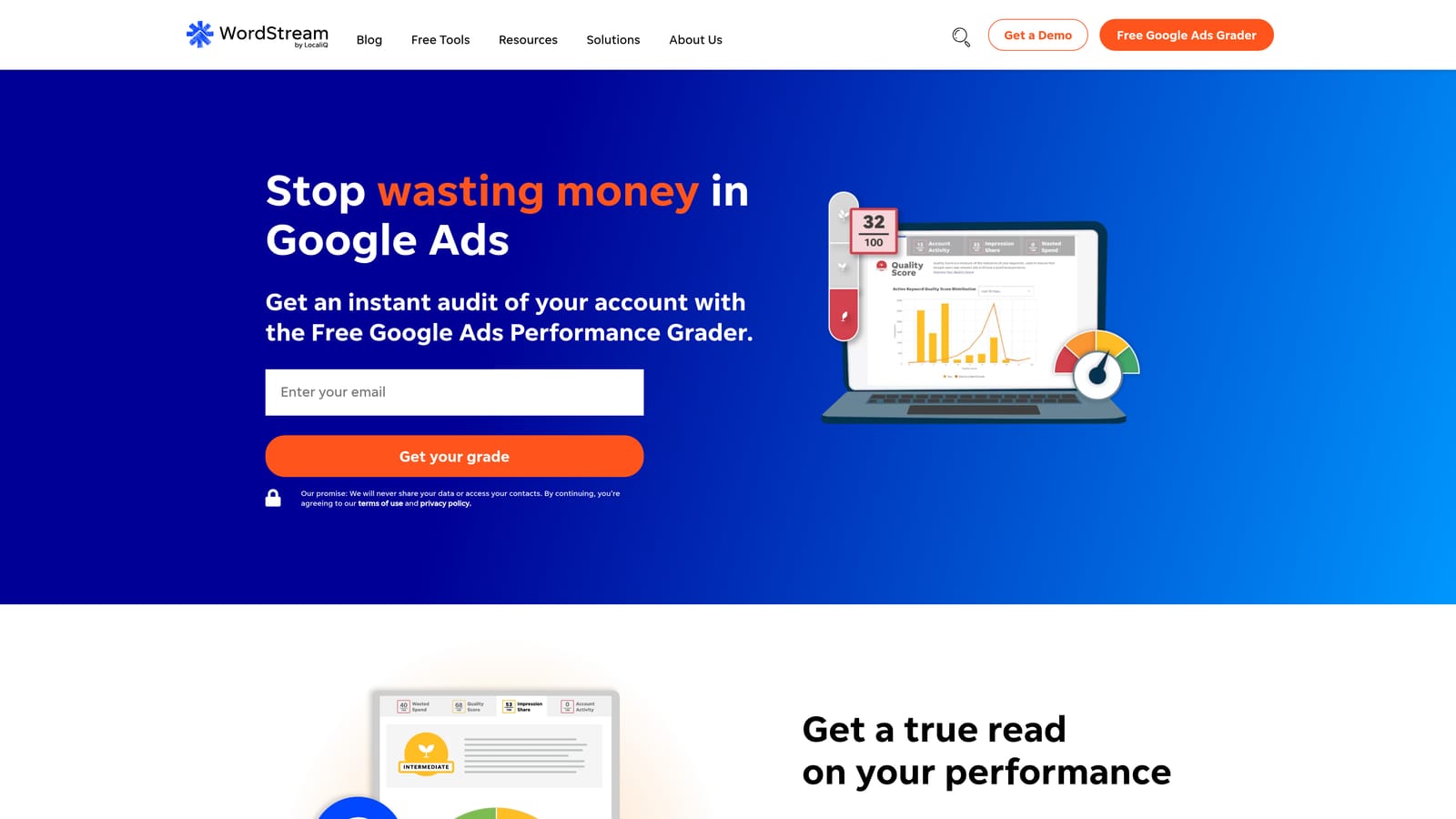
The distinguishing feature is how it packages the work. Rather than treating negative keywords as a standalone task you have to remember to do, it folds cleanup into a single guided session alongside other account health checks, which suits people who don't want to think about PPC management as a separate skill set.
- Guides you through a structured weekly optimization checklist
- Surfaces negative keyword suggestions as part of that same guided workflow
- Grades account performance and sends alerts when something needs attention
- Gives a cross-channel overview if you're also running Microsoft Ads or Facebook Ads
It integrates with Google Ads, Microsoft Ads, and Facebook Ads, and it's designed for someone without deep PPC expertise to run it themselves on a weekly cadence. That's the appeal for small business owners who don't have a dedicated PPC hire.
The limitation is pricing and packaging. WordStream Advisor is often bundled with LocaliQ's managed services, which can push cost higher than self-serve advertisers want to pay for what is, at its core, a checklist tool.
Pricing is quote-based and often bundled with managed services; verify current tiers on their site.
Best for: Small businesses that want a guided checklist rather than a technical, hands-on tool.
6. PPC Samurai
PPC Samurai narrows its focus to search term review and negative keyword management specifically, without the bid management, budget pacing, or reporting modules that come bundled into bigger suites.
That narrow focus is the point of difference. Where Optmyzr or WordStream fold negatives into a wider toolkit, PPC Samurai is built around bulk exclusion work as the core job.
- Adds negative keywords in bulk across multiple campaigns at once
- Provides search term filtering and review workflows to speed up manual scans
- Organizes negative lists so exclusions stay grouped and easy to manage over time
It connects to Google Ads and is generally run directly by whoever handles day-to-day account optimization, since there isn't a broader suite of modules to configure around it.
The tradeoff of that narrow focus is exactly what you'd expect: no bid automation, no budget management, no cross-channel reporting. If your needs grow beyond negative keywords, you'll be looking at a second tool.
Pricing is quote-based; the current rate is available on request from the vendor and should be verified directly on their site.
Best for: Advertisers who want a dedicated negative keyword tool without paying for unrelated features.
7. Free Google Ads N-gram and Negative Keyword Scripts
Community-maintained scripts run inside Google Ads Scripts, a native feature that lets you run JavaScript against your own account. For negative keywords, that typically means scripts that break search terms into n-grams and flag words or phrases with high spend and no conversions.
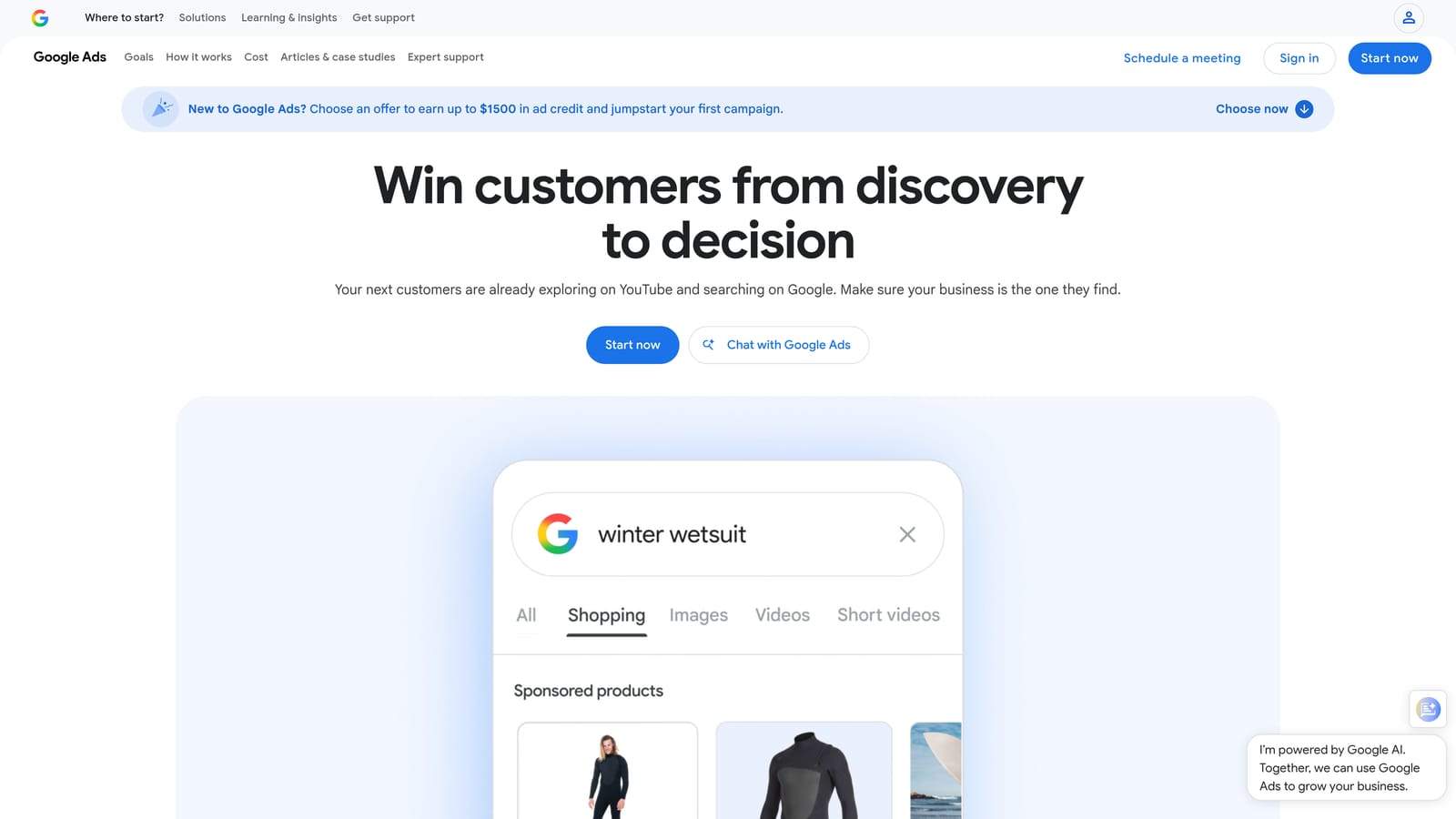
The appeal is straightforward: this is free automation, running on Google's own infrastructure, with no subscription attached. The catch is that "free" here means free of subscription cost, not free of setup effort.
- Breaks search terms down into word-level n-grams to spot patterns you'd otherwise scan for manually
- Runs on a schedule you set, so it checks your account automatically
- Lets you define custom thresholds for what counts as wasted spend
- Costs nothing to run beyond the time spent setting it up
These scripts are native to the Google Ads Scripts feature, so there's no external integration to manage. But you do need someone comfortable editing JavaScript, understanding API quirks, and troubleshooting when a script breaks after a Google Ads update.
That technical bar is the real limitation. There's no support team to call if a script stops working, and community scripts vary widely in quality and maintenance. This isn't a fit for someone who wants a polished, supported product.
This option is free to run, since scripts execute inside your own Google Ads account at no cost.
Best for: Technically comfortable advertisers or agencies who want automation without a subscription fee.
8. PPC Ninja
PPC Ninja is a broader PPC toolkit that includes a search term auditor built to cross-reference your triggered queries against the negative keyword lists you already have in place.
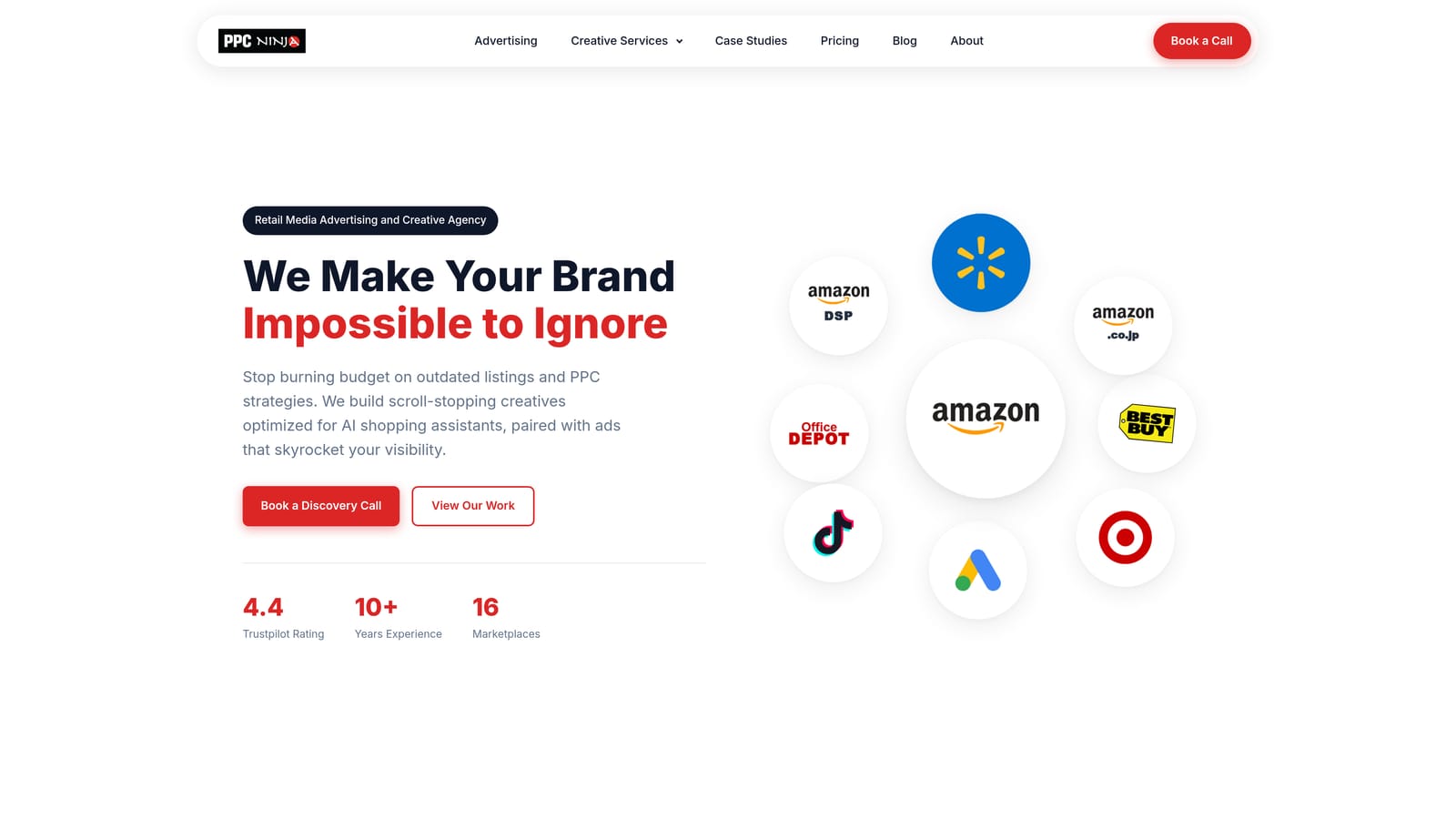
Its distinct angle is auditing rather than pure discovery. Instead of only helping you find new negatives, it checks your existing lists for overlaps, gaps, and conflicts, which catches situations where you've excluded a term in one list but a similar variant is still slipping through and spending budget.
- Runs a search term auditor to compare live queries against your current negative lists
- Flags overlaps and gaps in existing exclusions rather than just surfacing new candidates
- Includes additional keyword and account tools within the same suite
It connects to Google Ads and is generally run by whoever manages the account day to day, with the auditing tool acting as a periodic check rather than a constant monitor.
The limitation is that it's bundled into a wider toolkit, so if all you want is negative keyword auditing, you may end up paying for modules you don't use.
Pricing is quote-based, as part of a broader toolkit; verify current pricing directly on their site.
Best for: Teams already using other PPC Ninja tools who want negative auditing in the same ecosystem.
Matching the Tool to Your Situation
If you're the one actually sitting in the Google Ads interface every day, sorting through search terms and deciding what to exclude, Keywordme is built for exactly that moment: it keeps the work inside the Search Terms Report instead of sending you to a spreadsheet or a separate dashboard. If you're just getting started or working with a small budget, the native Google Ads Search Terms Report and shared Negative Keyword Lists cost nothing and cover the basics, even if you're doing the review manually. And if you're managing negative keywords as one piece of a much bigger account management operation, Optmyzr, Adalysis, or WordStream fold that work into broader automation, monitoring, or guided workflows.
One thing worth double-checking no matter which tool you use: be careful with overly broad negative keywords, like broad-matching a single common word, since they can block valid traffic you actually want. Whatever tool flags a term, take a second to confirm the exclusion won't catch more than you intend.
If you want to see how in-interface cleanup actually feels, Start your free 7-day trial of Keywordme, then $12/month after, and start removing junk search terms, building keyword lists, and applying match types without ever leaving Google Ads.
.svg)